
By Sarah Pachal
People in the Northern Hemisphere may associate April with spring-like weather, but in Southern Quebec and Ontario, April brought an ice storm that shut cities down for days and resulted in one man dead. As we experience record-breaking heatwaves, terrible wildfires, and catastrophic storms like this, it is obvious that climate change is a contemporary reality rather than a distant threat. The evidence is clear: human activity is causing our planet to warm at an alarming rate, with disastrous consequences.
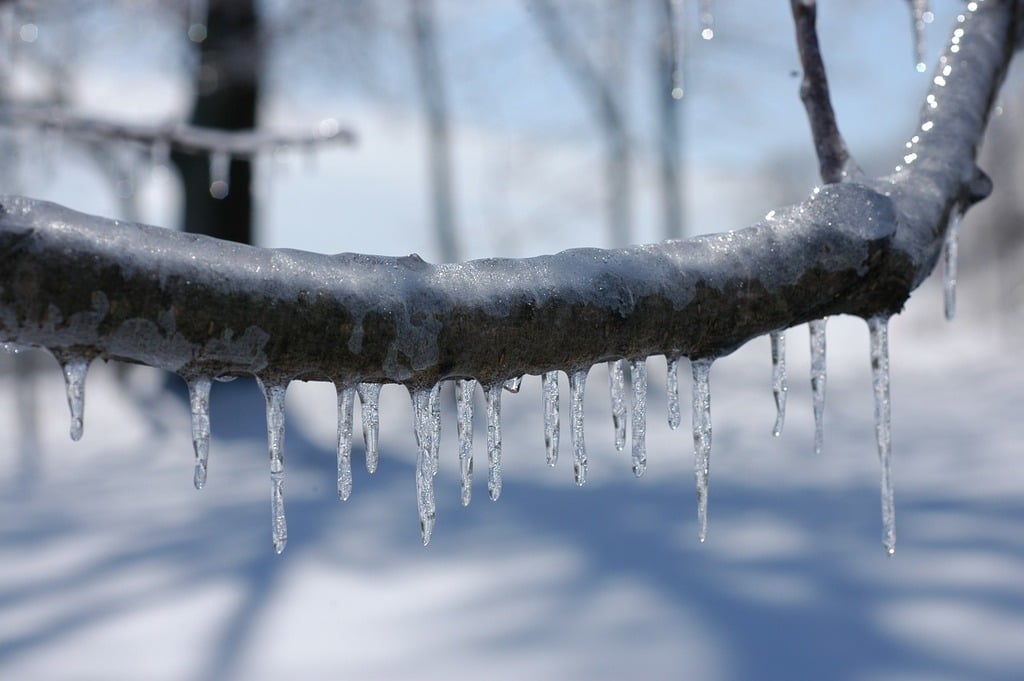
During the rainstorm that began on April 5, between 20 mm and 25 mm of ice collected on trees and buildings and 1.1 million Quebec residents were without electricity, some for days.
Quebec Provincial Police confirmed a sixty-year-old man in Les Coteaux was killed when he was struck by a branch he was attempting to clear. There were also worries about other deaths occurring due to carbon monoxide poisoning from improper heating sources.
Weather patterns are being disrupted by climate change, resulting in more frequent and intense storms. These occurrences threaten human health, safety, and well-being, as well as our economy, food systems, and ecosystems. The use of fossil fuels such as coal, oil, and gas contribute to climate change by releasing greenhouse gases into the atmosphere, trapping heat, and warming the globe.
The amount of precipitation seen in storms is projected to increase as the atmosphere warms. Oceans absorb 90% of the surplus energy that the earth accumulates as the quantity of greenhouse gases increases. As a result, the seas are also warming, causing coral reef degradation and rising sea levels.
As most scientists agree that these ‘once in a lifetime’ events will be occurring more regularly, this storm highlighted the significance of strengthening Hydro-Québec’s infrastructure for climate change. Premier François Legault stated that the administration is working on methods to reinforce the electricity network. He did not provide any further examples of how the network may be improved, other than attaching a wire above the power lines to protect them from branches.
Climate change’s economic implications are also alarming. Failure to address climate change, according to the Intergovernmental Panel on Climate Change (IPCC), could result in sizable worldwide economic loss unless coordinated action is taken. For instance, one maple syrup farmer in Quebec lost $12,000 in one day alone because the power outage resulted in a loss of 300 gallons of syrup. Changes in weather patterns also have an impact on agricultural yields, animal output, and the well-being of fisheries, resulting in decreased food production, higher food costs, and food insecurity.
The expenses of repairing and reconstructing damaged infrastructure, paying for lost production, and providing disaster assistance and insurance payments are considerable. They also put public budgets and private sector investments under pressure. Plus, liability concerns, such as legal action against corporations for their role in climate change, can result in large legal and financial consequences.
Policy changes are needed to incentivize sustainable practices and penalize ecologically damaging behaviour. Carbon pricing methods, such as carbon taxes or emissions trading systems, can provide economic incentives to reduce emissions and invest in clean technology.
Natural ecosystems like forests, wetlands, and oceans, which operate as carbon storage and provide vital services for climate regulation, must also be protected and restored. To lead society towards more sustainable paths, regulations to decrease pollution, increase energy efficiency, and safeguard natural resources are also required.
Individual choices are also important. To lower our carbon footprint, we can all make minor adjustments in our daily lives, such as conserving energy, minimizing trash production, and using sustainable products and services. Advocacy and civic participation can also help amplify our collective voice and demand immediate action on climate change.
Climate change is not an issue that can be ignored or postponed. Hundreds of trees, buildings, and roads were damaged or destroyed, in addition to the loss of life and property, in the 2023 Canada ice storm alone. Our unsustainable practices are finally catching up to us, and the window of opportunity for action is rapidly closing. The moment to address climate change is now, before events like this ice storm become the norm. Our shared future is at stake.
 Open Americas