
Image: Project Syndicate
By Mercedes D’Alessandro
It may seem obvious to a layperson that failing to support an economy’s labor force must come at a cost. Yet conventional economic models render nearly invisible – or simply wave aside – a dimension of inequality that pervades economic policymaking and macroeconomic outcomes.
Not everyone has lost out from the “polycrisis” that we are now enduring. Perversely, both extreme wealth and extreme poverty have increased simultaneously for the first time in 25 years. Worse, a host of other problems also now demand our immediate attention – from high and rising debt and increasing job precarity to inflation, climate change, and food insecurity.
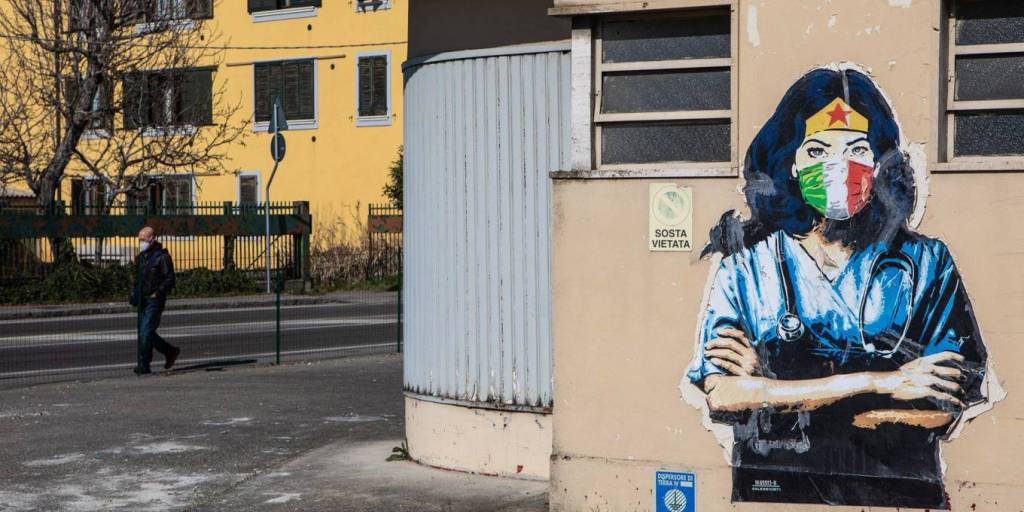
To reconfigure our economies for growth and sustainable development, we must go back to the intellectual drawing board to identify elements of economic theory and practice that have been overlooked. For example, even though the pandemic exposed deep flaws in how we think about care, many governments and businesses continue to neglect this dimension of the economy.
 Open Americas