Image: Project Syndicate

By Jorge Heine

Already struggling to get out of its deepest economic downturn in 120 years, Latin America now must brace for the possibility of another Donald Trump presidency. Judging by the Republican candidate’s campaign promises and longstanding positions on trade and immigration policy, the implications would be dire.

After the euphoric Democratic National Convention in Chicago, there is little doubt that Kamala Harris’s candidacy has changed the dynamics of the 2024 US presidential race. Democrats now have a fighting chance, which is more than they could have said a few months ago. However, with polls still showing an extremely close contest in the seven swing states that ultimately matter, the rest of the world must brace for what Donald Trump’s return to the White House would entail.
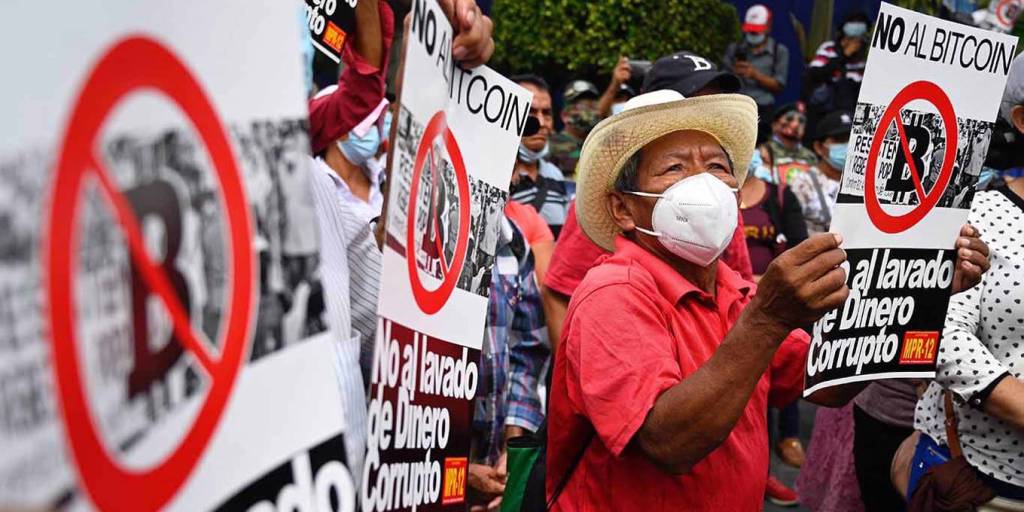
Image: Project Syndicate

By Jeffrey Frankel

Many aspects of cryptocurrencies are baffling, not least the success of a joke like Dogecoin. But El Salvador’s recent adoption of Bitcoin as legal tender alongside the US dollar is perhaps the strangest and potentially most worrying example of all.

El Salvador this month [September 2021] became the first country to adopt a cryptocurrency – in this case, Bitcoin – as legal tender. I say the first, because others might follow. But they should think twice, because the idea is highly dubious – and likely to be economically dangerous for developing countries in particular.

I will admit that I don’t understand the need for cryptocurrencies at all. Like many economists, I fail to see what problem they solve. They aren’t well designed to fulfill any of the classic functions of money – a unit of account, store of value, or means of payment – because their prices are so extraordinarily volatile. This volatility is not surprising, because cryptocurrencies are backed neither by reserves nor by the reputation of a well-established institution, such as a government or even a private bank or other trusted corporation.