Image: Project Syndicate

By Sonia Guajajara

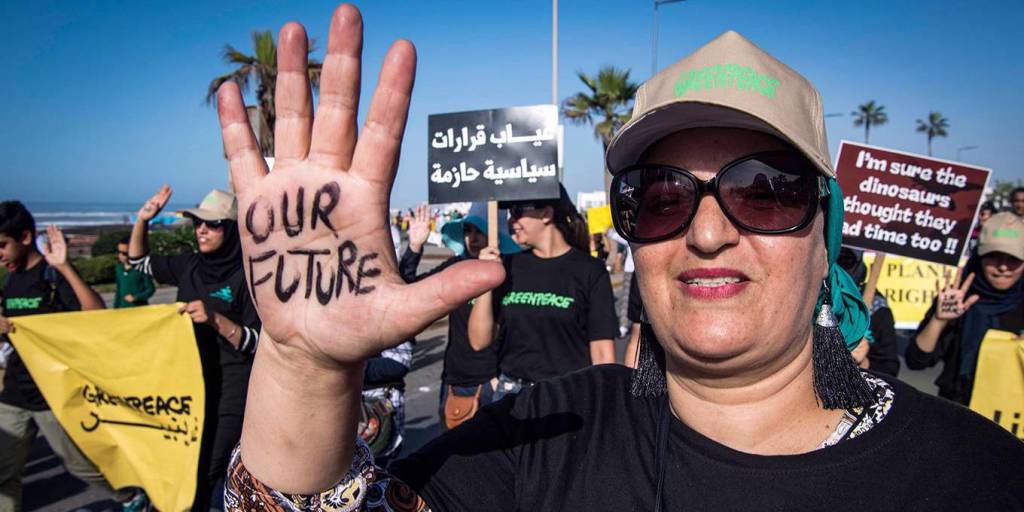
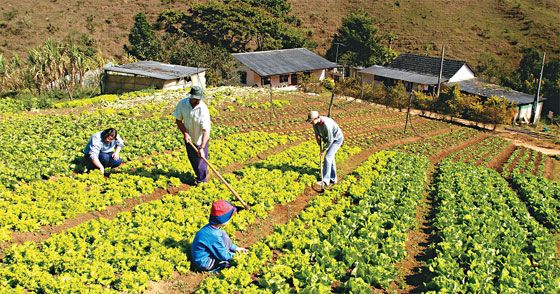
As co-hosts for this year’s United Nations Climate Change Conference in Belém, the Indigenous peoples and local communities of Brazil’s Amazon region understand what is at stake and will be given a greater voice than ever before. That is good news not only for these communities, but for everyone.

This year’s United Nations Climate Change Conference (COP30) in Belém, Brazil, has been eagerly awaited worldwide. A COP in the Amazon raises expectations for all those who recognize the urgency of climate change and its impact on our lives and environment. That is why Brazilian President Luiz Inácio Lula da Silva is calling this the “COP of Truth.”
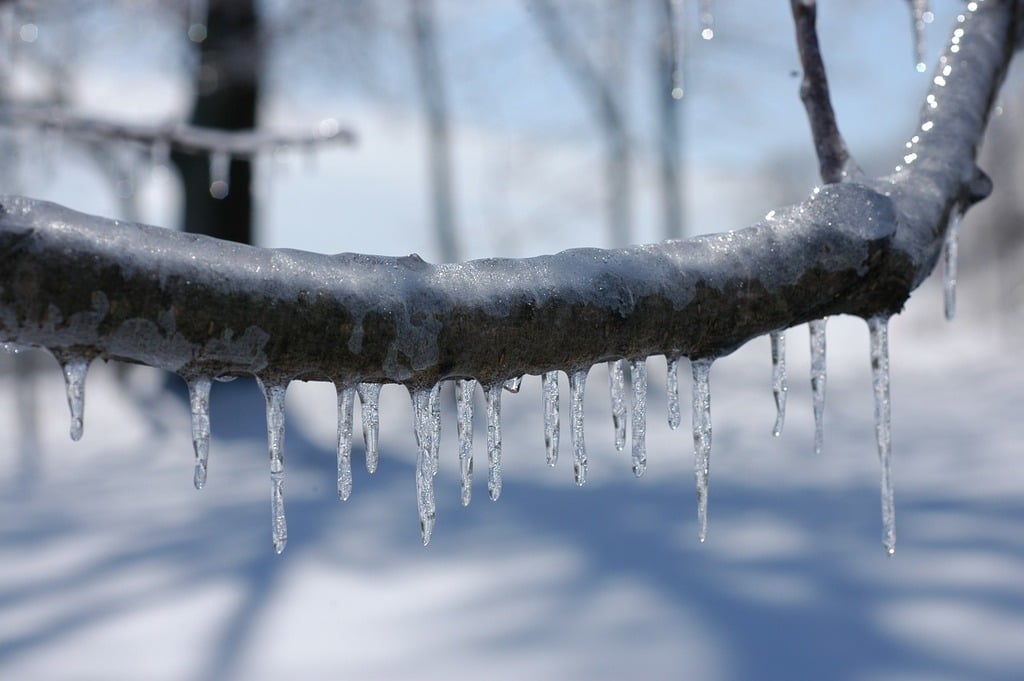
Image: picryl

By Sarah Pachal

People in the Northern Hemisphere may associate April with spring-like weather, but in Southern Quebec and Ontario, April brought an ice storm that shut cities down for days and resulted in one man dead. As we experience record-breaking heatwaves, terrible wildfires, and catastrophic storms like this, it is obvious that climate change is a contemporary reality rather than a distant threat. The evidence is clear: human activity is causing our planet to warm at an alarming rate, with disastrous consequences.

During the rainstorm that began on April 5, between 20 mm and 25 mm of ice collected on trees and buildings and 1.1 million Quebec residents were without electricity, some for days. 

Image: Project Syndicate

By Robin Willoughby and Nico Muzi

Demographic, environmental, and consumer factors have brought the global agriculture sector to a crossroads. To avoid political hazards, decision-makers in government, industry, and civil society will need to heed the lessons from major transitions in other industries and start preparing.

Disruption is coming to the agriculture sector. Around the world, livestock farmers are leaving the land, policymakers are targeting the harmful environmental and social effects of industrial meat production, and consumers are shifting away from meat to embrace healthier, more sustainable alternatives. With the sector approaching a crossroads, decision-makers in government, industry, and civil society will need to heed the lessons from major transitions in other industries and start preparing.

Image: Project Syndicate/ Fadel Senna/AFP via Getty Images

Por Laura Chinchilla y María Fernanda Espinosa

El mundo está muy consciente de que la crisis climática es uno de los principales escollos para el desarrollo sostenible. Y, sin embargo, a pesar de las dramáticas pruebas sobre las consecuencias letales del cambio climático, y a pesar de poseer los conocimientos, las tecnologías y los recursos para dar solución al mismo, continuamos en el mismo camino de altas emisiones de carbono que amenaza nuestra supervivencia.

Image: Wikimedia Commons

By Elizabeth Courtney 

For InterAction

This piece was originally published on InterAction.org.

“I’m doing this for my children.” 

That’s what Martha from Colón, Honduras, said to a reporter in November 2018. If you turned on any U.S. news channel in the Fall of 2018, you likely saw a lot of people like Martha—people who left their homes in the Northern Triangle countries of Honduras, Guatemala, and El Salvador in search of a better life in the United States. 

When large numbers of people arrive en masse to seek asylum at the U.S. border, it’s a newsworthy story. But what kind of story is it? Who decides how to tell it?