Image: Project Syndicate

By Jorge Heine

Already struggling to get out of its deepest economic downturn in 120 years, Latin America now must brace for the possibility of another Donald Trump presidency. Judging by the Republican candidate’s campaign promises and longstanding positions on trade and immigration policy, the implications would be dire.

After the euphoric Democratic National Convention in Chicago, there is little doubt that Kamala Harris’s candidacy has changed the dynamics of the 2024 US presidential race. Democrats now have a fighting chance, which is more than they could have said a few months ago. However, with polls still showing an extremely close contest in the seven swing states that ultimately matter, the rest of the world must brace for what Donald Trump’s return to the White House would entail.
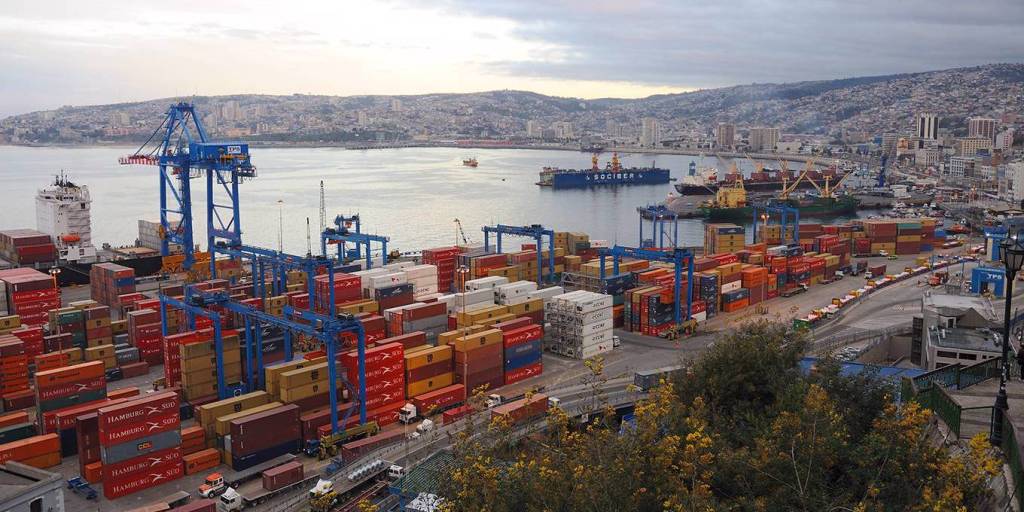
CHILE, VALPARAISO – JULY 04 : View on the historic city and the harbor of Valparaiso on July 04, 2017, Chile. (Photo by Frédéric Soltan/Corbis via Getty Images)

By Felipe Larraín and Pepe Zhang

US-China tensions are unlikely to abate anytime soon, and Latin America will not be able to insulate itself fully from the fallout. But by heeding the lessons of the last three years, the region’s governments and businesses can better position themselves to succeed over the next three years and beyond.

Once a peripheral presence in Latin America, China has become one of the region’s most important partners. Bilateral trade expanded from $12 billion in 2000 to over $300 billion in 2020, raising China’s share of the region’s total trade from 1.7% to 14.4%. China has also become an increasingly significant source of foreign direct investment in Latin America, accounting for nearly 10% of inflows in recent years.