Image: NARA and DVIDS Public Domain Archive

By Blake Burdge

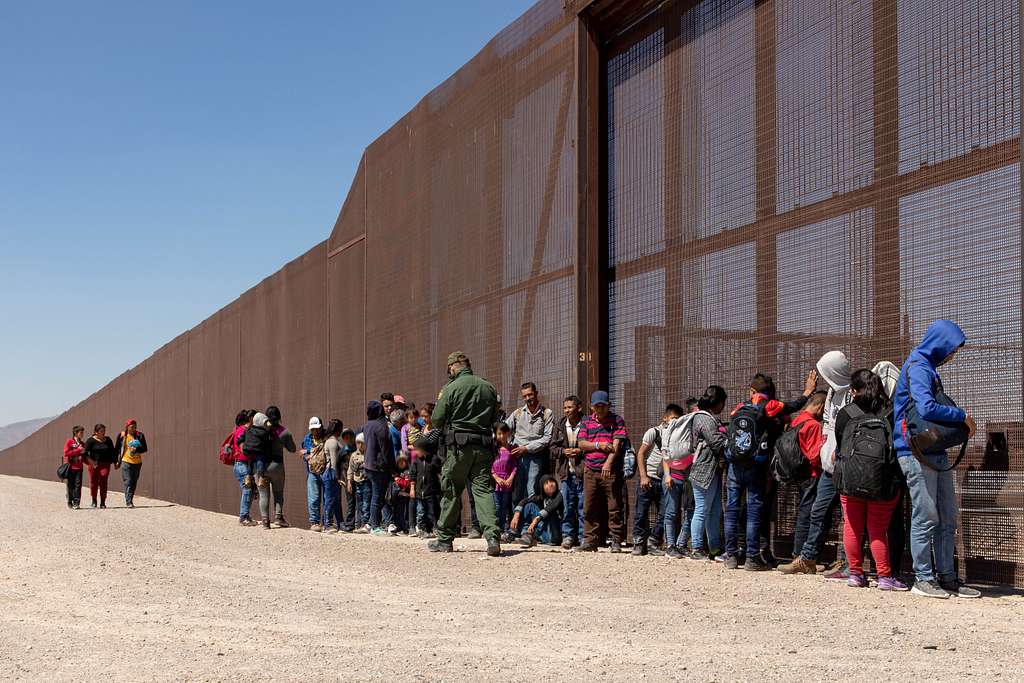
Mexico is sending murderers and rapists to the United States.

Tren de Aragua has invaded and seized apartment complexes in Aurora, Colorado with weapons better than the U.S. military’s.

MS-13, a street gang with U.S. origins, has organized itself transnationally with the discrete intention of sowing unrest throughout the United States.

The embellished outrage surrounding transnational crime and organized gang activity grows quiet once it has served its purpose – to criminalize migrants fleeing violence or the grim landscapes in their home countries created and maintained by an oppressive, dominant economic system. 

Image: picryl

By Sarah Pachal

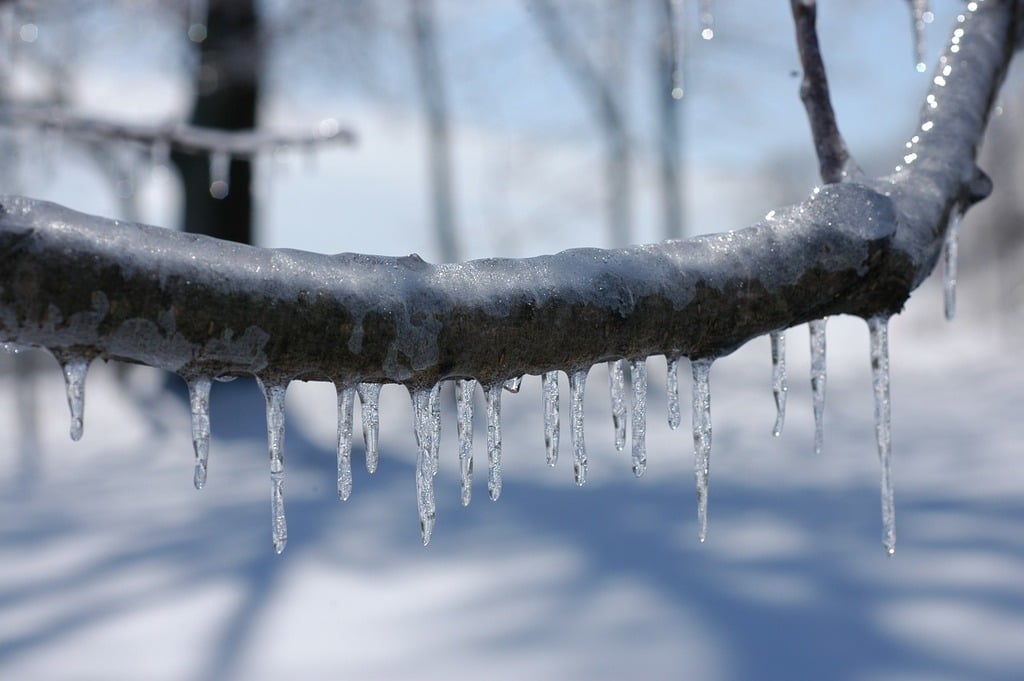
People in the Northern Hemisphere may associate April with spring-like weather, but in Southern Quebec and Ontario, April brought an ice storm that shut cities down for days and resulted in one man dead. As we experience record-breaking heatwaves, terrible wildfires, and catastrophic storms like this, it is obvious that climate change is a contemporary reality rather than a distant threat. The evidence is clear: human activity is causing our planet to warm at an alarming rate, with disastrous consequences.

During the rainstorm that began on April 5, between 20 mm and 25 mm of ice collected on trees and buildings and 1.1 million Quebec residents were without electricity, some for days. 

By Saul R. Revatta

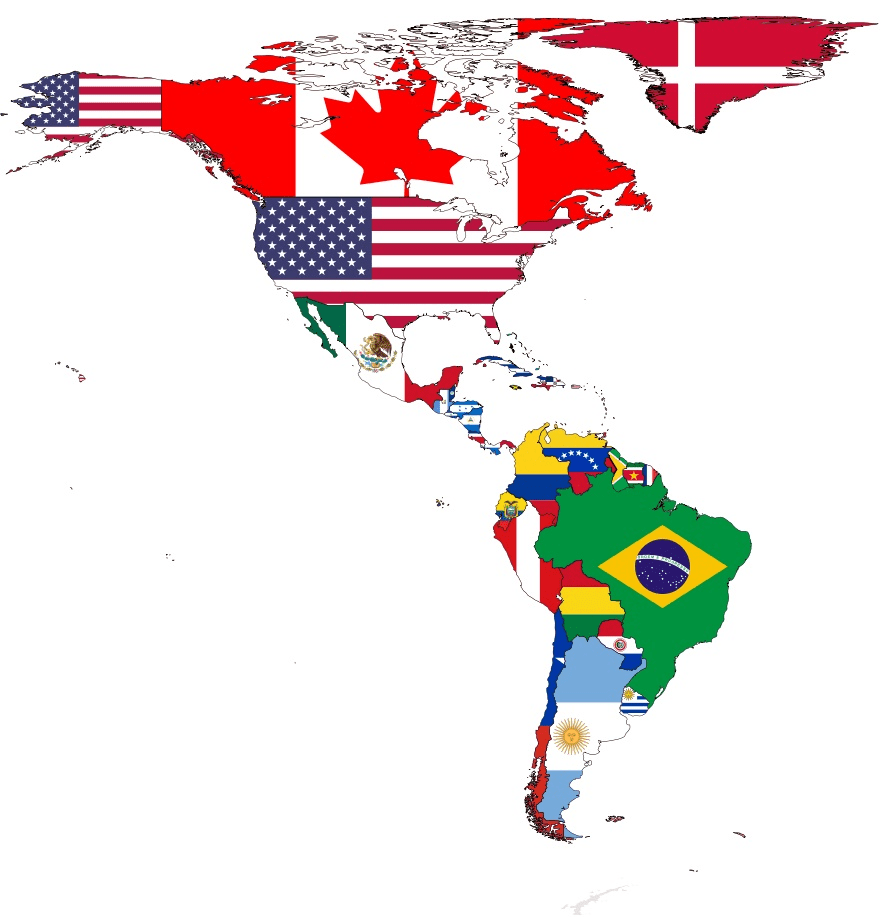
There is no doubt that since the end of World War II, the United States has been the dominant force shaping and leading the global economic order. The U.S. has spearheaded a Western-led rules-based capitalistic system that has fueled global economic growth but has also  disproportionately benefited the U.S. and its western European allies. However, as of late, the U.S. has forgotten the tremendous economic gains it has reaped as the primary architect and enforcer of this system. Nowhere is this abdication of leadership more evident than in Latin America (LatAm), where the U.S. is ceding influence to China, which has been funding major infrastructure projects across the region. The incoming Trump administration must know that it is in the U.S.’s best interest to re-engage with LatAm and regain influence. 

Image: Project Syndicate

By Mercedes D’Alessandro

It may seem obvious to a layperson that failing to support an economy’s labor force must come at a cost. Yet conventional economic models render nearly invisible – or simply wave aside – a dimension of inequality that pervades economic policymaking and macroeconomic outcomes.

Not everyone has lost out from the “polycrisis” that we are now enduring. Perversely, both extreme wealth and extreme poverty have increased simultaneously for the first time in 25 years. Worse, a host of other problems also now demand our immediate attention – from high and rising debt and increasing job precarity to inflation, climate change, and food insecurity.

To reconfigure our economies for growth and sustainable development, we must go back to the intellectual drawing board to identify elements of economic theory and practice that have been overlooked. For example, even though the pandemic exposed deep flaws in how we think about care, many governments and businesses continue to neglect this dimension of the economy.

Image: Project Syndicate

By Robin Willoughby and Nico Muzi

Demographic, environmental, and consumer factors have brought the global agriculture sector to a crossroads. To avoid political hazards, decision-makers in government, industry, and civil society will need to heed the lessons from major transitions in other industries and start preparing.

Disruption is coming to the agriculture sector. Around the world, livestock farmers are leaving the land, policymakers are targeting the harmful environmental and social effects of industrial meat production, and consumers are shifting away from meat to embrace healthier, more sustainable alternatives. With the sector approaching a crossroads, decision-makers in government, industry, and civil society will need to heed the lessons from major transitions in other industries and start preparing.

Image: Geoffrey A. Fowler/The Washington Post via Getty Images/Project Syndicate

By Anne-Marie Slaughter and Alberto Rodríguez Alvarez

Canada, Mexico, and the United States have a chance to forge a regional agenda to position North America as a global leader in digital government services. Having already established a solid foundation for cooperation, they must now build on it.

In Ukraine today and in many other conflicts around the world, the digital domain has become a battleground for cyberattacks and information warfare. Even in normal daily life, digital platforms can endanger citizens and democracies by encroaching on individual privacy, manipulating consumer attention, fostering social isolation, and nurturing extremism. But, while not downplaying these harms, we should also remind ourselves of the many good things that today’s new technologies offer.

Image: Project Syndicate/ Fadel Senna/AFP via Getty Images

Por Laura Chinchilla y María Fernanda Espinosa

El mundo está muy consciente de que la crisis climática es uno de los principales escollos para el desarrollo sostenible. Y, sin embargo, a pesar de las dramáticas pruebas sobre las consecuencias letales del cambio climático, y a pesar de poseer los conocimientos, las tecnologías y los recursos para dar solución al mismo, continuamos en el mismo camino de altas emisiones de carbono que amenaza nuestra supervivencia.