Image: Project Syndicate

By Carlos Alvarado Quesada

Guatemalan President Bernardo Arévalo’s recent selection of an honest successor to a corrupt attorney general represents a decisive victory for the country’s democracy. Arévalo succeeded not because he abandoned institutions to save democracy, but because he trusted institutions enough to work through them.

After two years of fierce political battles, Guatemalan President Bernardo Arévalo finally managed to appoint a new attorney general in May. In replacing a corrupt prosecutor with an honest one, Arévalo demonstrated that, even after years of erosion, democracy can prevail if political leadership chooses constitutionalism over confrontation.
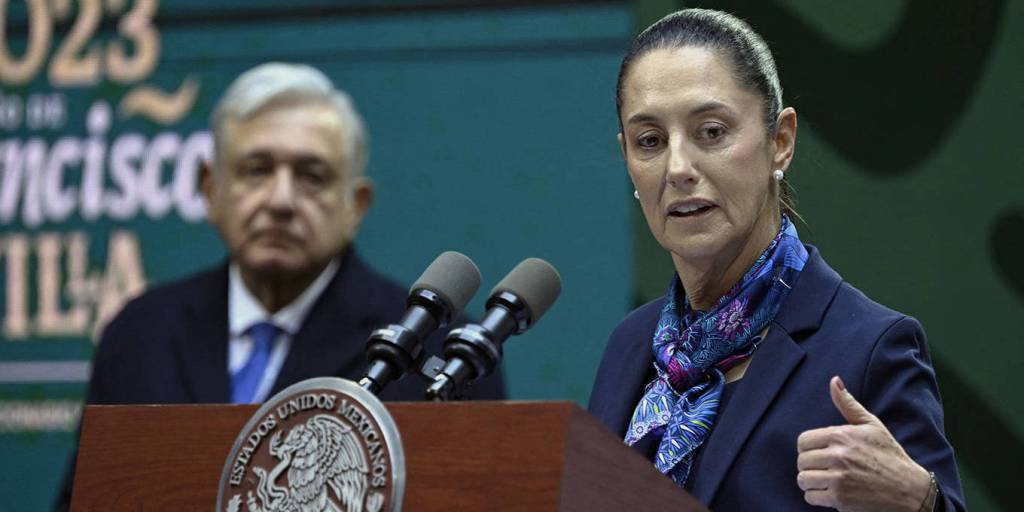
Image: Project Syndicate

By Jorge G. Castañeda

Over the course of two centuries of independence, Mexico has elected its leaders democratically on only four occasions. Whether the presidential election in June will be fair and free is questionable, given that the playing field is heavily tilted in favor of the ruling party’s candidate.

Many countries, from the United States and Uruguay to India and Indonesia, will hold elections in 2024. Although pundits, politicians, and political scientists tend to portray each one as “historic” and “momentous,” Mexico’s June 2 presidential election may be one of the few to warrant such superlatives, if only because the country has limited experience with truly democratic votes.