Image: NARA and DVIDS Public Domain Archive

By Blake Burdge

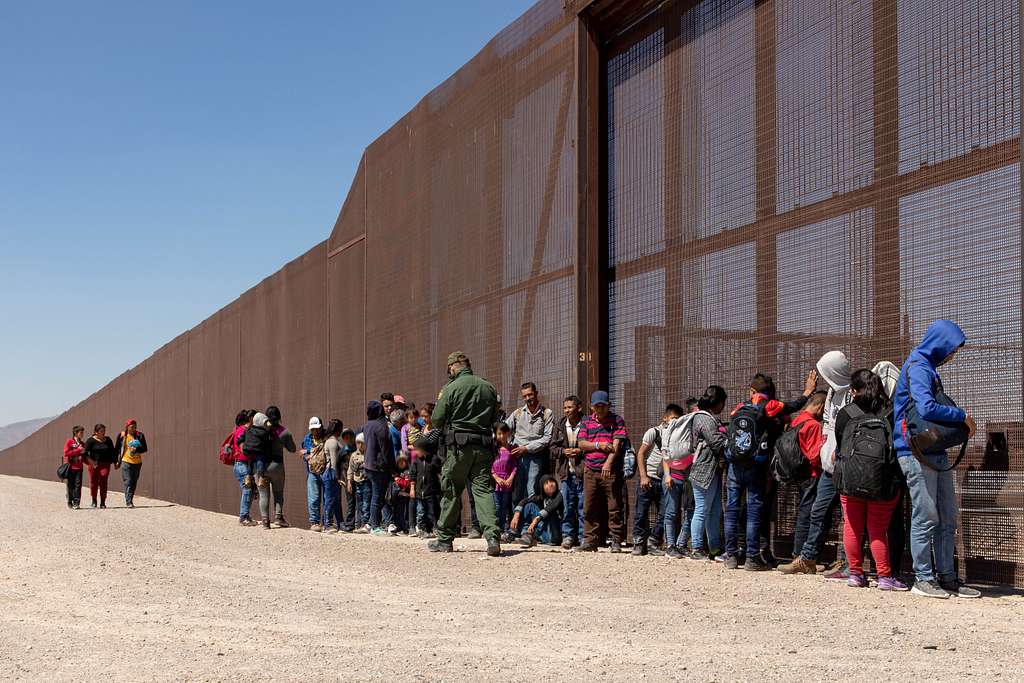
Mexico is sending murderers and rapists to the United States.

Tren de Aragua has invaded and seized apartment complexes in Aurora, Colorado with weapons better than the U.S. military’s.

MS-13, a street gang with U.S. origins, has organized itself transnationally with the discrete intention of sowing unrest throughout the United States.

The embellished outrage surrounding transnational crime and organized gang activity grows quiet once it has served its purpose – to criminalize migrants fleeing violence or the grim landscapes in their home countries created and maintained by an oppressive, dominant economic system. 

Image: Project Syndicate

By Jorge Heine

Already struggling to get out of its deepest economic downturn in 120 years, Latin America now must brace for the possibility of another Donald Trump presidency. Judging by the Republican candidate’s campaign promises and longstanding positions on trade and immigration policy, the implications would be dire.

After the euphoric Democratic National Convention in Chicago, there is little doubt that Kamala Harris’s candidacy has changed the dynamics of the 2024 US presidential race. Democrats now have a fighting chance, which is more than they could have said a few months ago. However, with polls still showing an extremely close contest in the seven swing states that ultimately matter, the rest of the world must brace for what Donald Trump’s return to the White House would entail.

Image: Project Syndicate

By Jorge G. Castañeda

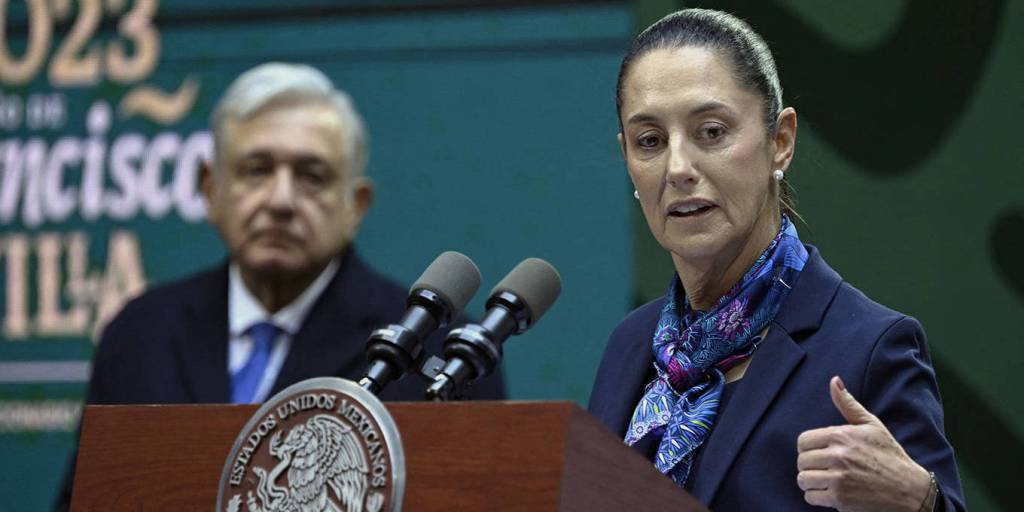
Over the course of two centuries of independence, Mexico has elected its leaders democratically on only four occasions. Whether the presidential election in June will be fair and free is questionable, given that the playing field is heavily tilted in favor of the ruling party’s candidate.

Many countries, from the United States and Uruguay to India and Indonesia, will hold elections in 2024. Although pundits, politicians, and political scientists tend to portray each one as “historic” and “momentous,” Mexico’s June 2 presidential election may be one of the few to warrant such superlatives, if only because the country has limited experience with truly democratic votes.

Evaristo Sa/AFP via Getty Images

Por Andrés Velasco

Los latinoamericanos tenemos muchos talentos. Uno de ellos es la notable aptitud para gobernarnos mal, como lo ha puesto de manifiesto la pandemia. Seis de los 20 países con más muertes per cápita del mundo a causa del Covid-19 se encuentran en América Latina. Perú encabeza la lista y Brasil ocupa el octavo lugar.

Sin duda que la pobreza, la escasez de camas en los hospitales, y las hacinadas condiciones de vivienda, contribuyeron a la diseminación del virus, pero estos factores por sí solos no explican por qué la región lo ha hecho tan mal. Muchas naciones de Asia y de África padecen de los mismos problemas, pero sufrieron menos muertes per cápita. Incluso países que vacunaron a su población tempranamente, como Chile, –o que al principio de la pandemia parecían exitosos, como Uruguay– han terminado con un desempeño mediocre.

Image: Project Syndicate

By Jorge G. Castañeda

Since the first days of Joe Biden’s presidency, his administration has insisted that the growing number of migrants being apprehended at the US-Mexico border is not a “crisis,” but rather a normal, seasonal spike. US officials have even argued that the controversy was concocted entirely by former President Donald Trump and other Republicans.

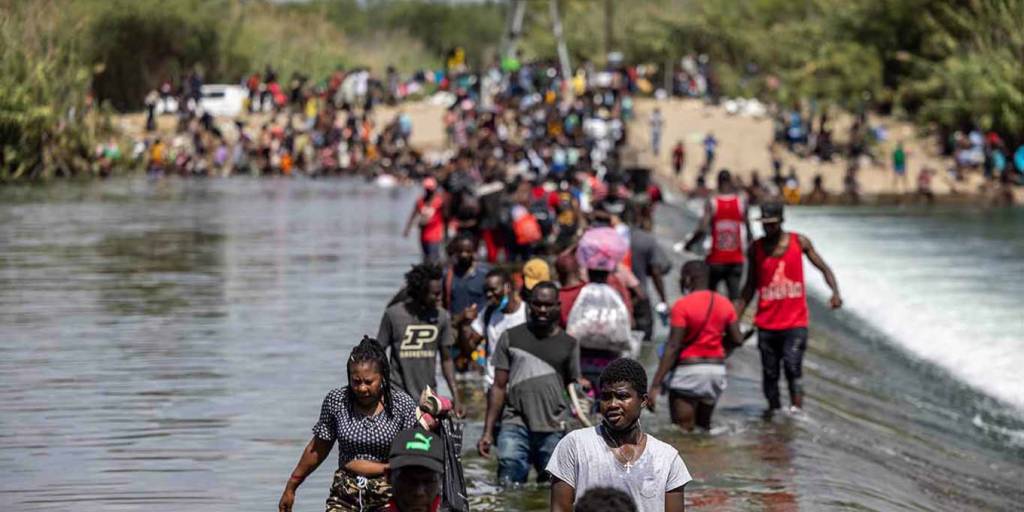
While the Biden administration was not totally wrong about Trump, reality has since rebutted its claims. The situation on the border today is indeed a crisis, both for the United States and Mexico. As of late September, some 15,000 migrants and asylum seekers, most of them Haitian, are sheltering from the sun under the International Bridge in Del Rio, Texas. They have brought the migration issue roaring back to the fore.

By Nicole Tirado, Paula Gamboa, Tatiana Valenzuela, Yuliana Aborda, Roxanna Barrera and Diana Carolina Ortiz

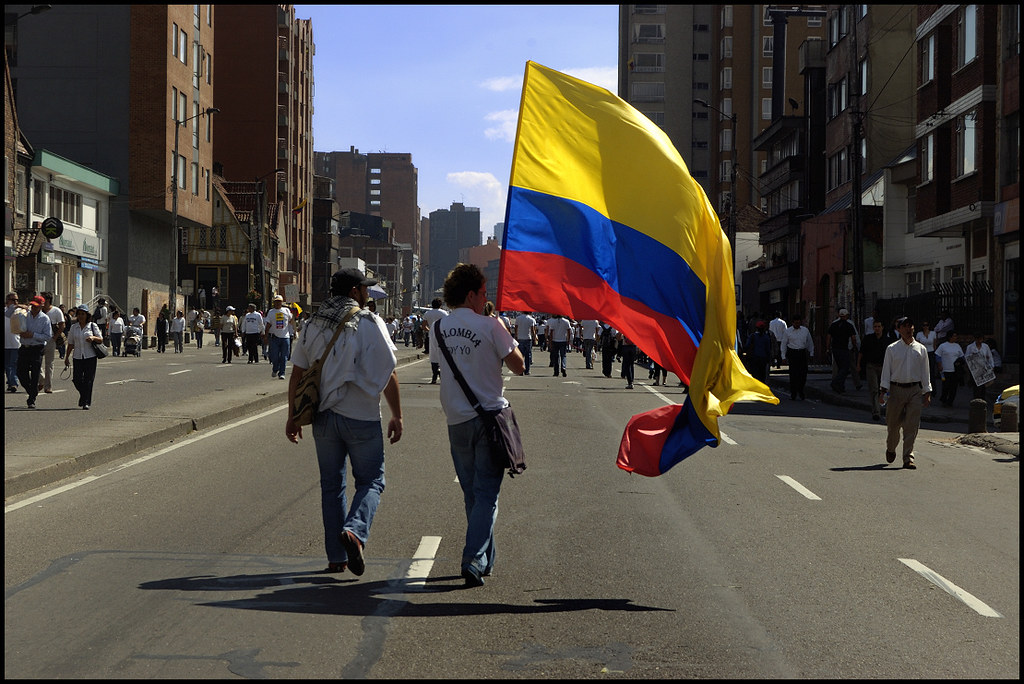
Our history teacher says that, in the twenty-first century, citizens do not engage with political parties because what moves them now is the analysis of concepts and narratives that shape them as political subjects—as citizens with voices and rights. This implies awareness and the memory that, in Colombian history, fear has lived with us as another citizen. Part of Colombia’s origin has been violence, and with it comes fear; we know this, as do those who govern us. For this reason, nowadays we’re going through a national strike whose main slogan is fear. Current events are nothing other than the repetition of Colombian history: fear of death, missing people whose mothers mourn their absence, corpses that cannot be identified, and speeches that endorse violence by armed forces, who profess to defend the public good but not the public, not the people of their own country.

By Laura Schroeder

Like many fellow U.S. Americans, January 6, 2021 found me glued to a flurry of disturbing news reports. While a mass of pro-Trump extremists lay siege to the U.S. Capitol as lawmakers worked to certify election results, I couldn’t tear myself away from reports of the insurrection and chaos that President Trump incited. Tweets aggressively vied for viewers’ attention at the top of the screen, and my heart thumped in my ears in reaction to the inexcusably slow police response to the attack.

When I saw the term “banana republic” trending, I quickly eliminated any inkling that the fancy clothing store* had announced a poorly timed loungewear sale and continued scrolling.