Image: NARA and DVIDS Public Domain Archive

By Blake Burdge

Mexico is sending murderers and rapists to the United States.

Tren de Aragua has invaded and seized apartment complexes in Aurora, Colorado with weapons better than the U.S. military’s.

MS-13, a street gang with U.S. origins, has organized itself transnationally with the discrete intention of sowing unrest throughout the United States.

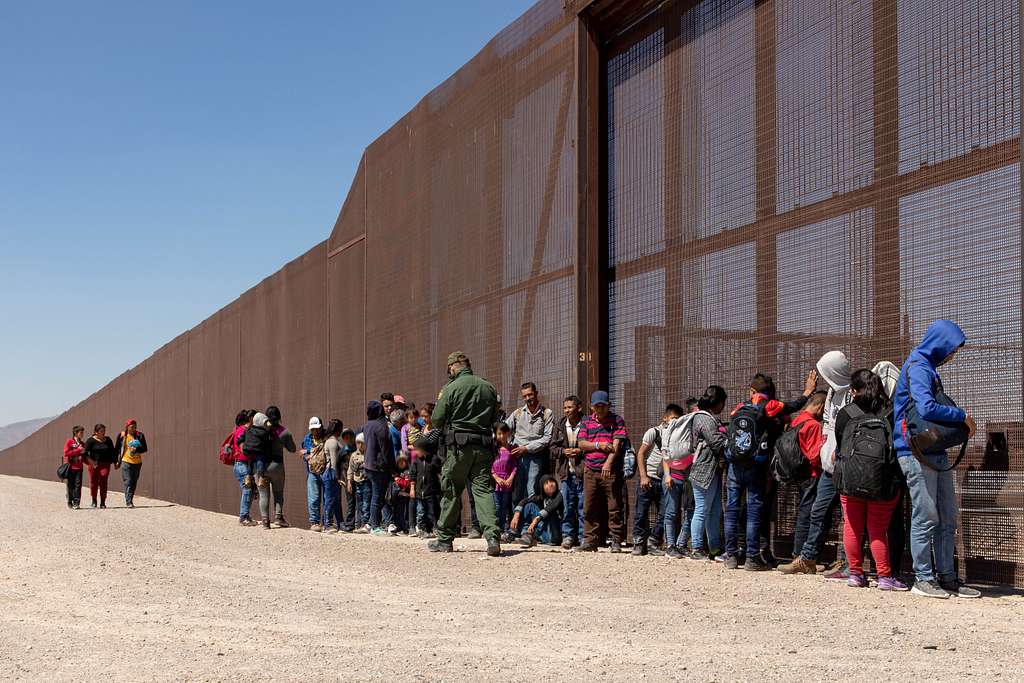
The embellished outrage surrounding transnational crime and organized gang activity grows quiet once it has served its purpose – to criminalize migrants fleeing violence or the grim landscapes in their home countries created and maintained by an oppressive, dominant economic system. 

The following interview is the first in a series that explores how individuals and organizations have been adversely impacted by the Trump presidency—and how they are organizing and resisting.


Mariana Gama is a humanitarian storyteller who engages closely with children, refugees, and marginalized communities using a trauma-informed approach to ensure ethical interviewing and dignified storytelling. In this interview, Mariana discusses her career path, her approach to ethical storytelling, how recent funding cuts are harming immigrants and refugees, and how you can get take action.


By Saul R. Revatta

There is no doubt that since the end of World War II, the United States has been the dominant force shaping and leading the global economic order. The U.S. has spearheaded a Western-led rules-based capitalistic system that has fueled global economic growth but has also  disproportionately benefited the U.S. and its western European allies. However, as of late, the U.S. has forgotten the tremendous economic gains it has reaped as the primary architect and enforcer of this system. Nowhere is this abdication of leadership more evident than in Latin America (LatAm), where the U.S. is ceding influence to China, which has been funding major infrastructure projects across the region. The incoming Trump administration must know that it is in the U.S.’s best interest to re-engage with LatAm and regain influence. 

Image: Project Syndicate

By Jorge Heine

Already struggling to get out of its deepest economic downturn in 120 years, Latin America now must brace for the possibility of another Donald Trump presidency. Judging by the Republican candidate’s campaign promises and longstanding positions on trade and immigration policy, the implications would be dire.

After the euphoric Democratic National Convention in Chicago, there is little doubt that Kamala Harris’s candidacy has changed the dynamics of the 2024 US presidential race. Democrats now have a fighting chance, which is more than they could have said a few months ago. However, with polls still showing an extremely close contest in the seven swing states that ultimately matter, the rest of the world must brace for what Donald Trump’s return to the White House would entail.

This article was originally published on opendemocracy.net.

For the U.S., the Latin American agenda is not a priority. Still, Biden’s arrival at the White House signifies a respite for foreign ministries, who are exhausted by the region’s tension created by Trump. What changes can we expect now?

While Donald Trump is disappointed with the results of November 8th, the world remains incredulous about the difficulties of the great American democracy in recognizing as president-elect the one who won the popular vote with 50.9% and more that 5.5 million more votes than his opponent, who obtained 47.3%.

Although Trump has raised an amendment to the entire election result, alleging massive fraud, he has been unable so far to present any evidence. Biden will be the 46th president of the United States after four years of Trumpism, which has generated turbulence worldwide. Latin America and the Caribbean wonder what the arrival of a Democrat like Joe Biden might mean for them.

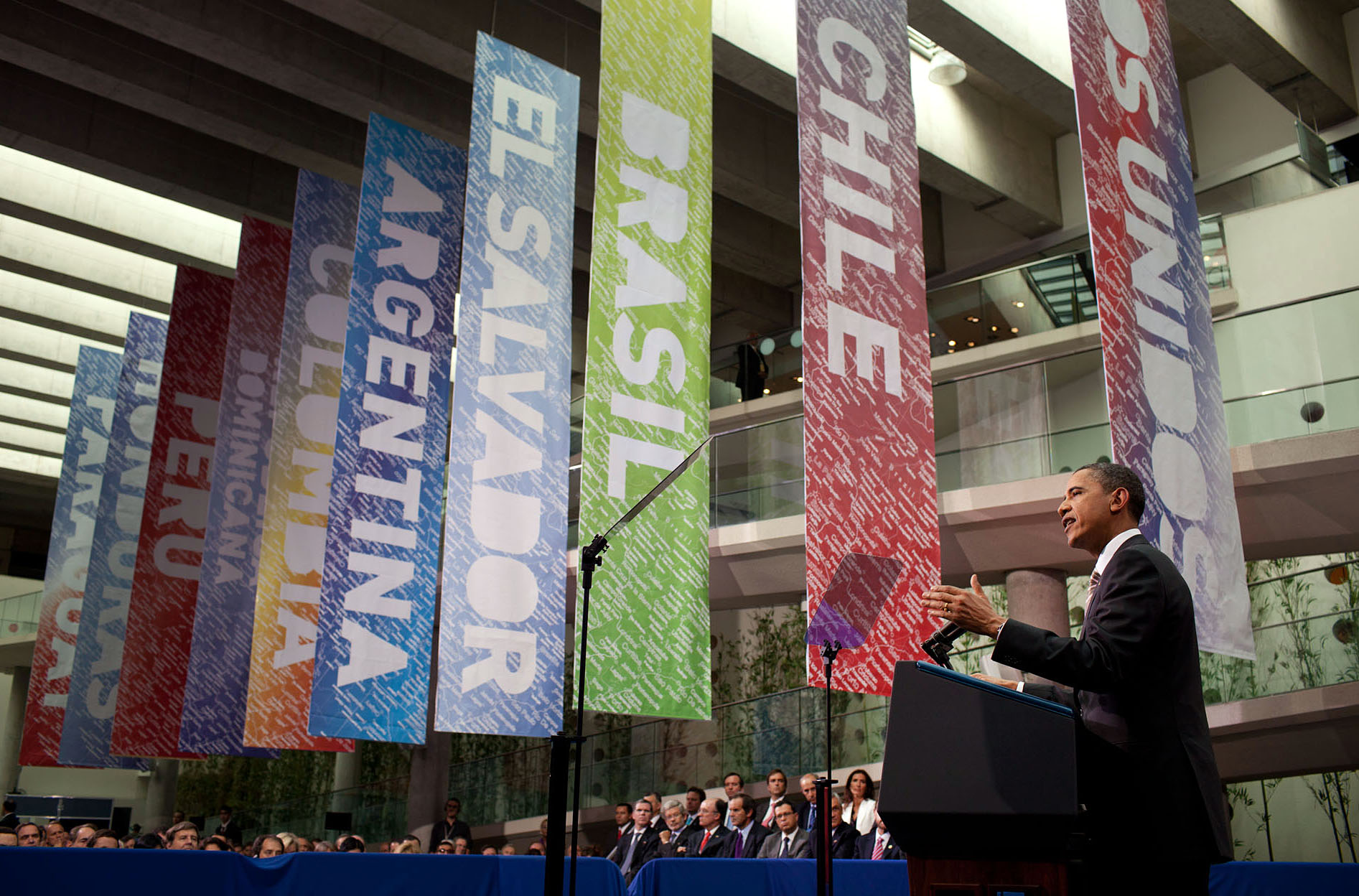
Image result for President Obama's Santiago Speech

By Sergio Guzmán

The United States continues to be a global superpower. The US for the time being will continue to influence countries all across Latin America. However, recent events have suggested signs of decline. And as the decline grows more evident, how will the region’s political power rebalance? The election of Andrés Manuel López Obrador (AMLO) in Mexico, as well as the election of Jair Bolsonaro in Brazil marks a radical departure from the current status quo. What does this mean for Colombia and Latin America at large?

Obama_Health_Care_Speech_to_Joint_Session_of_Congress

Personnel d’Open Americas, Traduit par William Giller

Lundi, le 12 février, la Maison-Blanche a présenté la proposition de budget pour 2019. Ce document, qui propose une réduction drastique des budgets américains pour l’aide humanitaire en Amérique latine, augmente simultanément les dépenses pour la défense et l’infrastructure nationale.

Open Americas croit fermement que tout budget reflète les valeurs personnelles et politiques de ses créateurs. Les mêmes convictions de nativisme, militarisme et exceptionnalisme américain publiées dans le document pour 2019 sont intégrées dans les décisions politiques qui nuisent aux peuples partout dans les Amériques.