Trinidad and Tobago is an insular state of Caribbean America, a nation that, along with Suriname and Guyana, possesses a historical tradition of religious pluralism that includes a substantial Islamic community. A 2011 census of the population describes a multi-faith panorama composed of Catholics (21.6%), Hindus (18.2%), Pentecostals (12.0%), Anglicans (5.7%), Baptists (5.7), Muslims (5%), and a number of other faith groups.
Author: Open Americas

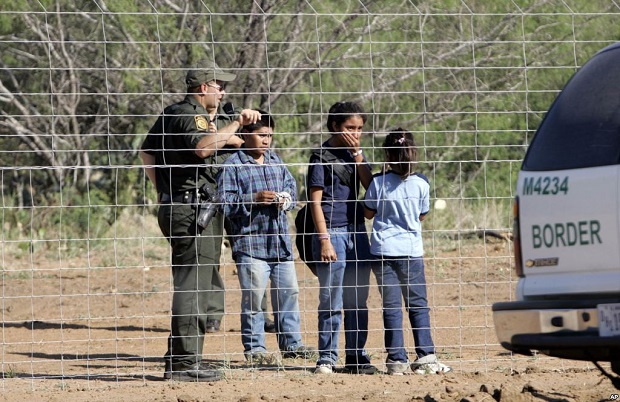
On Friday, April 6, U.S. Attorney General Jeff Sessions announced in a memorandum the introduction of a zero tolerance policy for migrants who enter the United States without documentation.
![]()
Por Susana Cardenas-Soto
La memoria como un remedio para el mal de Tzvetan Todorov identifica cuatro roles principales en las narrativas del bien y del mal: el villano y su víctima; el héroe y sus beneficiarios (8-10). Al examinar la esfera patriarcal de los cárteles mexicanos y sus narrativas, específicamente Fiesta en la madriguera de Juan Pablo Villalobos, podemos ver que las mujeres desempeñan el papel de víctima. Feminicidio se define como “el asesinato misógino de mujeres por hombres…” (Fragoso 283). Fragoso explica que esta violencia es “consecuencia lógica del sistema patriarcal que mantiene la supremacía masculina” (284). Es fácil disolver la empatía a favor de demonizar a los perpetradores cuando leemos sobre los horrores del narcotráfico. Todorov afirma que para evitar una ‘repetición de acontecimientos’ se requiere reflexionar sobre las circunstancias que dieron lugar a actos bárbaros, las motivaciones de los responsables y los medios que emplearon (80). No podemos simplemente culpar a los hombres como Guzmán, o el ficticio Yolcaut, sin mirar los sistemas de patriarcado y explotación económica. Es natural estar sorprendido sobre las realidades de la narco-violencia; para comprender, debemos emplear la empatía. Fiesta en la madriguera revela, a través de la estructura narrativa, la victimización de las mujeres en los cárteles mexicanos, e ilumina simultáneamente la humanidad de sus agresores y el sistema omnipresente que perpetúa la estratificación de clase y género.
In 2014, according to Pew Research Center, about 69% of Latin America’s population identified as Catholic, in comparison with 92% in 1969. During the same period, the share of Evangelicals grew from 4% to 19%, a growth rate three times larger than the world’s population growth. Within the last decade, Roman Catholicism’s influence has decreased and is no longer followed by the majority of the population in countries such as Guatemala, Chile, Honduras, El Salvador, Nicaragua and Uruguay. This trend is due to the increase of new Christian denominations and irreligiosity, and is being recorded all over Latin America, which may no longer be a Catholic majority by 2030.
Several factors pushed people to abandon Catholicism and to embrace other denominations or atheism such as sexual and accounting scandals involving the clergy, involvement with military dictatorships during the 1970s and 1980s, the crisis of the Catholic welfare model based on supplying public goods and services to villages and slums, secularization processes, and the energetic campaign of proselytism through social and political activism of Evangelical Churches.
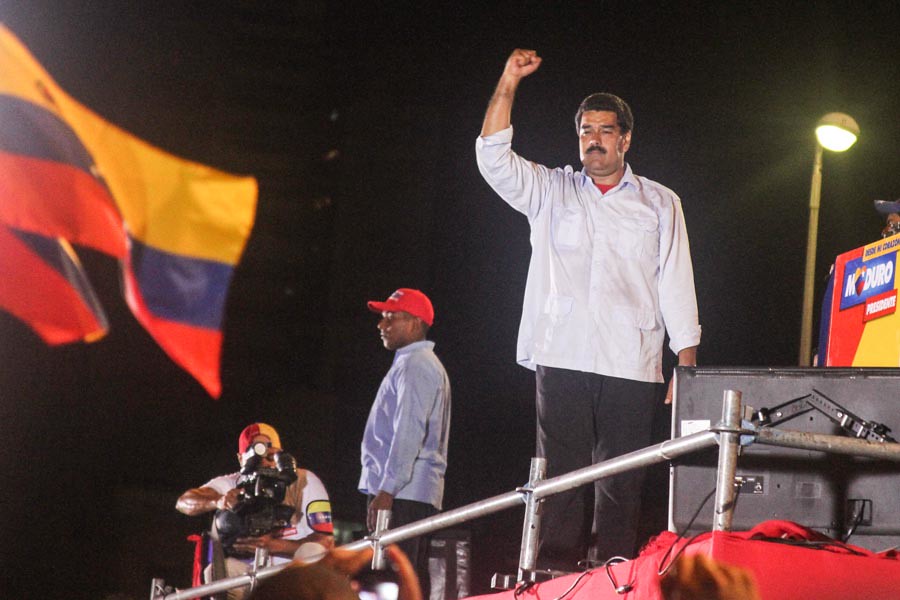
With Venezuela’s elections rescheduled to May 20, President Nicolás Maduro has a long road ahead of him in gaining the support of his citizens. Elections were originally intended to be held April 22, but the National Election Council (CNE) made a last minute decision to push the election date back by one month. The call for a snap election still has some suspecting it was to ensure Maduro’s victory while his opponents largely have no stable footing to run on or are banned from running. A key indicator of Maduro’s future success can be found in the municipal elections, which were held on December 10, 2017. Maduro’s socialist party won 300 of the 355 seats in the overwhelming majority of the municipalities.
By Domingo de Ramos
On the road, smoky, more like oily
from Altamira where the little light
forms dreamy partitions in the dust
I grew up one of a kind on the ground-level trembling
grainy abolished and fictionalized
without opal to polish myself
I pulled myself up like a house under the moon
and I said to Diego Is this island or sea?
pointing to the scale model where a recently cut
breadcrumb was floating
No- he mumbled moving his pearly snout
it is Altamira and palpitating cherubs
getting submerged in the glow of streetlights
that turned the air into the mist
of cinemas paradisos and Diego who was more
profound than silence grabbed the whirlwind
demonized from fictions and his city imagined
his equestrian statue among the heaps
and in a click pushed away what was overwhelming him
By Alexia Rauen
Paraguay’s political system has long been dominated by the Colorado Party (Asociación Nacional Republicana – Partido Colorado, ANR-PC). The Colorado Party is pro-West, and has historically – and into present day – restricted civil liberties and stifled opposition parties. This party stems from a brutal 35-year long dictatorship under military leader Alfredo Stroessner, and has retained power for 61 years, controlling the parliament even when Stroessner was removed by a coup in 1989. The Colorado Party has consistently held the presidency except for a brief stint from 2008-2012, which ended in impeachment. The party also holds a majority in the larger branch of Congress, the Chamber of Deputies, and a near-majority in the Senate.