Image: NARA and DVIDS Public Domain Archive

By Blake Burdge

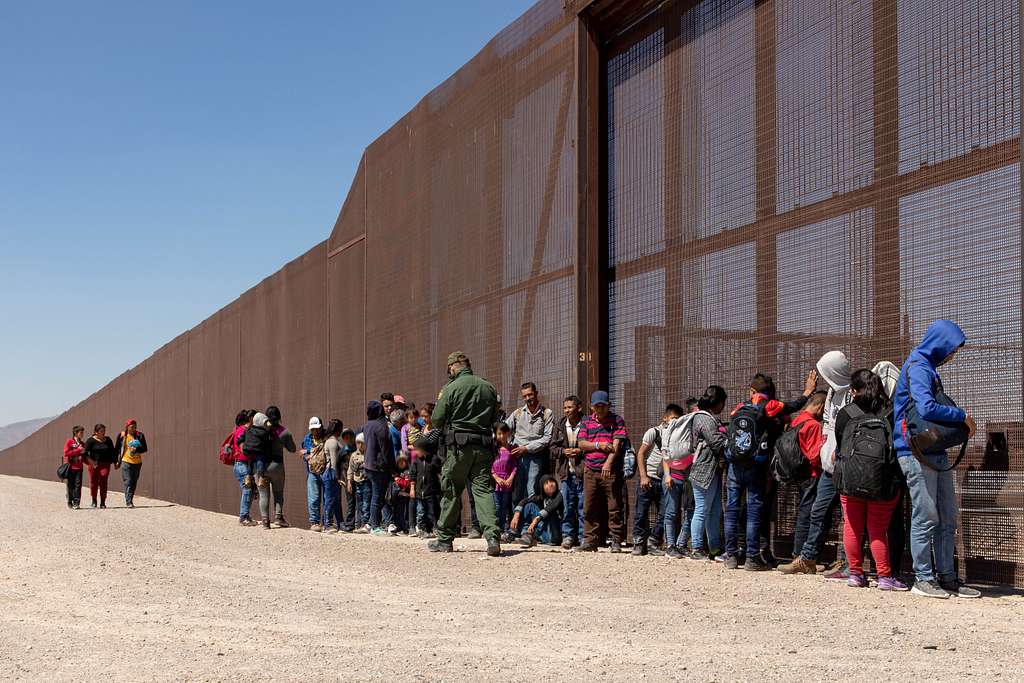
Mexico is sending murderers and rapists to the United States.

Tren de Aragua has invaded and seized apartment complexes in Aurora, Colorado with weapons better than the U.S. military’s.

MS-13, a street gang with U.S. origins, has organized itself transnationally with the discrete intention of sowing unrest throughout the United States.

The embellished outrage surrounding transnational crime and organized gang activity grows quiet once it has served its purpose – to criminalize migrants fleeing violence or the grim landscapes in their home countries created and maintained by an oppressive, dominant economic system. 

The following interview is the first in a series that explores how individuals and organizations have been adversely impacted by the Trump presidency—and how they are organizing and resisting.


Mariana Gama is a humanitarian storyteller who engages closely with children, refugees, and marginalized communities using a trauma-informed approach to ensure ethical interviewing and dignified storytelling. In this interview, Mariana discusses her career path, her approach to ethical storytelling, how recent funding cuts are harming immigrants and refugees, and how you can get take action.


By Chiara Cordelli and Aziz Huq

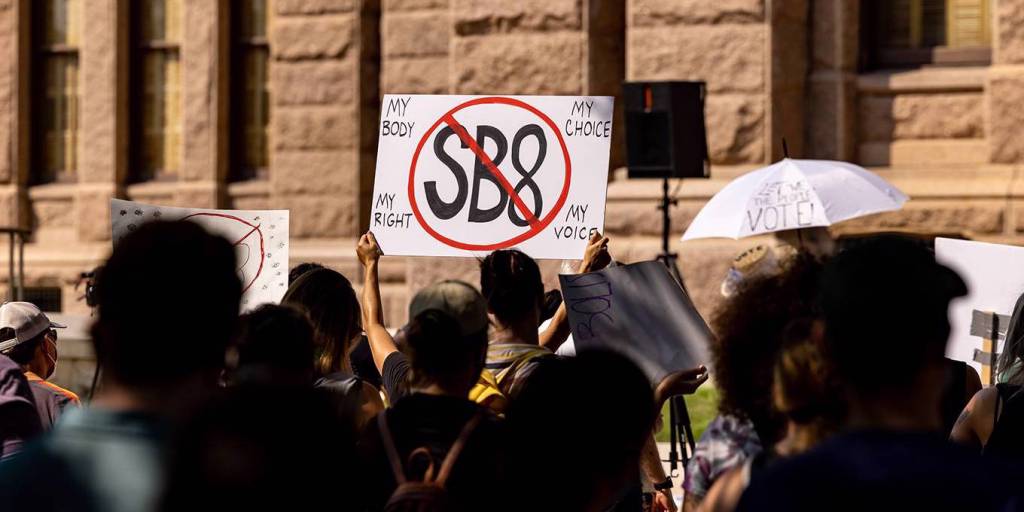
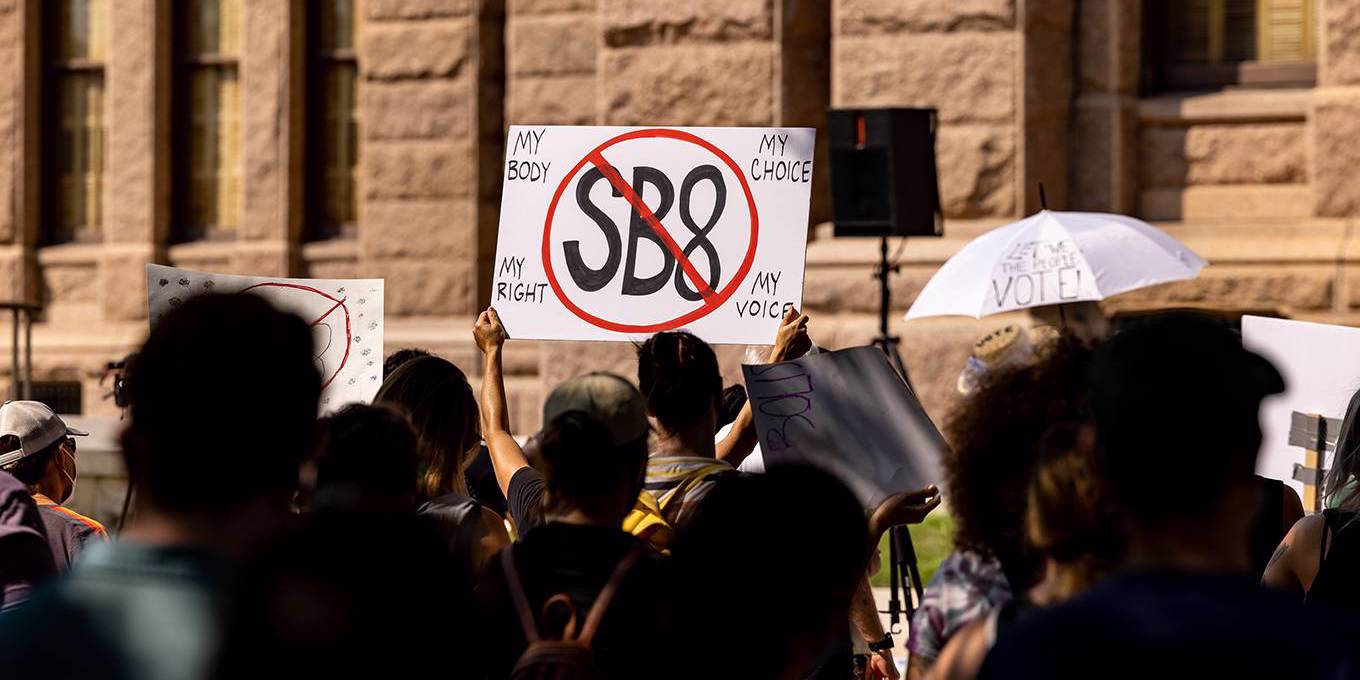
Texas’s new abortion law subjects women to heightened surveillance and the whims of private parties. If the US Supreme Court upholds the law, it will set back gender relations to an era that precedes the living memory of most Americans.

In 1984, the late US Supreme Court Justice Ruth Bader Ginsburg gave a lecture on why Roe v. Wade, the Court’s 1973 decision recognizing a constitutional right to abortion, was wrongly decided. The case, she explained, should never have been framed as a matter of privacy or reproductive choice alone: Abortion was at bottom a question of gender equality.

Thirty-seven years later, Texas is proving Ginsburg’s point with its draconian and potentially transformative abortion law. If the Supreme Court upholds the law – it just heard oral arguments on whether to permit two legal challenges to proceed – it will set back gender relations to an era that precedes the living memory of most Americans.


Photo Credit: Salwan Georges

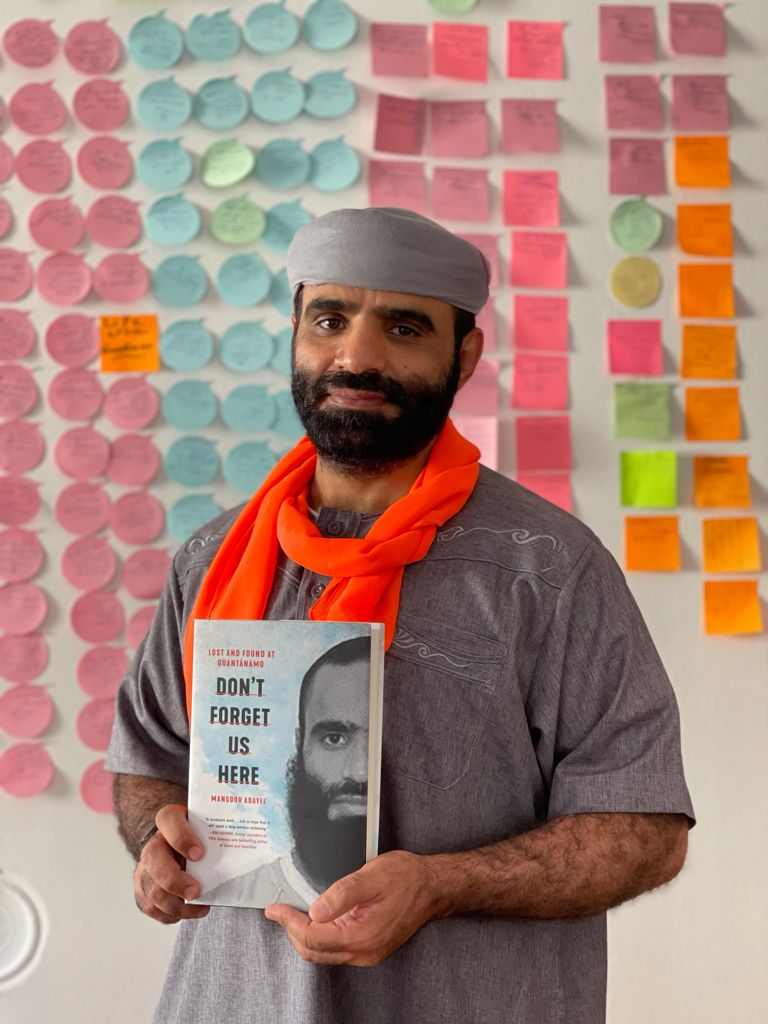
We recently had the pleasure of sitting down virtually with Mansoor Adayfi, the author of Don’t Forget Us Here: Lost and Found at Guantánamo. Mansoor is an activist and former Guantánamo detainee now residing in Serbia. At the age of only eighteen, he was kidnapped in Afghanistan and sold to the U.S. government. Held in Guantánamo for fourteen years, he was tortured and deprived of his basic human rights.

We talked with Mansoor about what he would go back and tell his younger self, his life in Serbia, and his recent college graduation. Now the Guantánamo Project Manager at the NGO CAGE, Mansoor and fellow former detainees, or “brothers,” have published an eight-point plan to instruct President Biden on how to properly close Guantánamo. Wearing a bright orange cloth around his neck out of solidarity for his brothers, Mansoor explained his plans to advocate for the closure of Guantánamo until they were free. As he spoke with conviction and humor, calling silence “a tool of the oppressors,” it became increasingly clear: Mansoor’s voice will be a powerful instrument of justice for years to come
.


By Alexia Rauen

Mansoor Adayfi’s 2021 memoir, Don’t Forget Us Here: Lost and Found at Guantánamo, transports readers to Guantánamo Bay, Cuba, to a world in which children and adults are routinely tortured by the United States. Guantánamo Bay has been a naval base in U.S. possession since 1903. Adayfi spent his childhood in the idyllic mountains of Yemen1 with dreams to study in the United Arab Emirates.2 When Adayfi was eighteen years old, he traveled to Afghanistan on a research trip for an important sheik in Yemen who promised him a university reference letter in exchange for his work.3 With the United States offering bounties for Al-Qaeda and Taliban fighters, Adayfi was captured and sold by warlords who instructed him to say he was a member of Al-Qaeda, or else the Americans would kill him.4 The Americans, in turn, took a nineteen-year-old Yemeni boy and reinvented the narrative of who he was. They convinced themselves he was an older Egyptian general (“they even believed [the general] had plastic surgery to look young and different, I guess to look like me”) and tortured him for years in search of information he couldn’t possibly possess.5

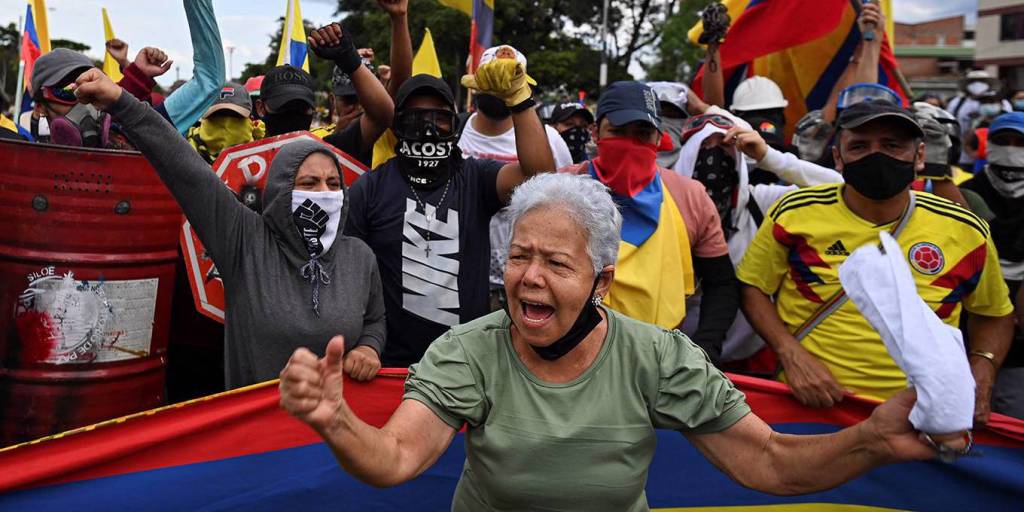
People take part in a new protest against the government of Colombian President Ivan Duque, in Cali, Colombia, on May 19, 2021. (Photo by Luis ROBAYO / AFP) (Photo by LUIS ROBAYO/AFP via Getty Images)

By Mauricio Cárdenas

Colombians need political leadership that responds to the current anger in the streets with effective strategies to tackle the country’s social and fiscal crises, while relying on increased vaccination to defeat the pandemic. But with the radical right and populist left on the rise, expecting this anytime soon is wishful thinking.

While the United States and other advanced economies are returning to normalcy, Colombia reported its highest number of COVID-19 cases and deaths to date during the last week of June. Since early May, the country has been recording one COVID-19 death per 100,000 people per day – three times India’s rate.

By Nicole Tirado, Paula Gamboa, Tatiana Valenzuela, Yuliana Aborda, Roxanna Barrera and Diana Carolina Ortiz

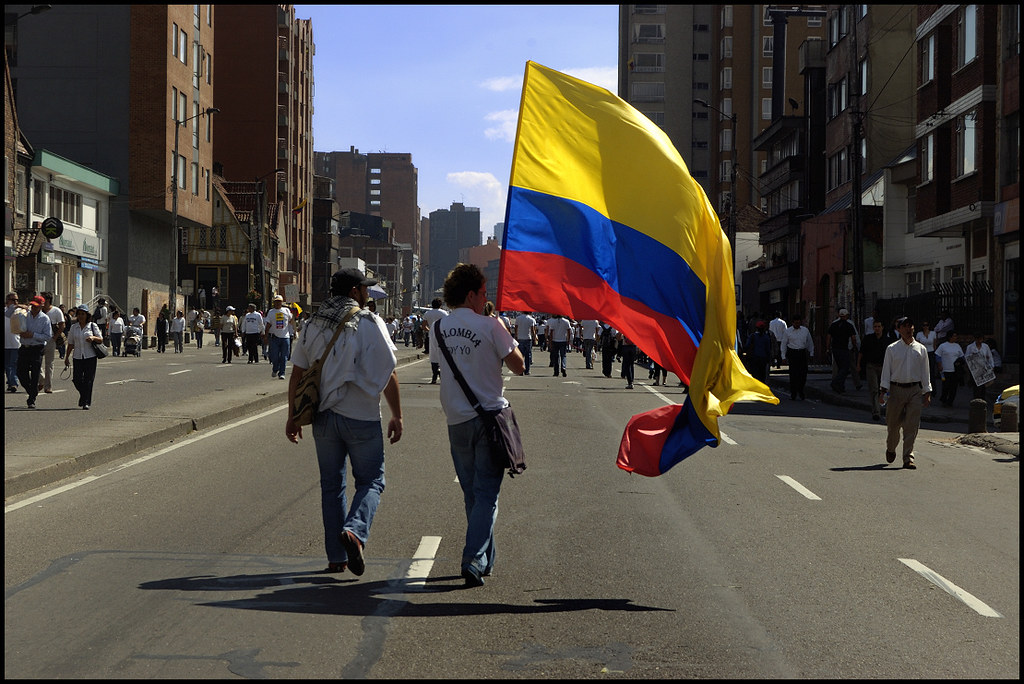
Our history teacher says that, in the twenty-first century, citizens do not engage with political parties because what moves them now is the analysis of concepts and narratives that shape them as political subjects—as citizens with voices and rights. This implies awareness and the memory that, in Colombian history, fear has lived with us as another citizen. Part of Colombia’s origin has been violence, and with it comes fear; we know this, as do those who govern us. For this reason, nowadays we’re going through a national strike whose main slogan is fear. Current events are nothing other than the repetition of Colombian history: fear of death, missing people whose mothers mourn their absence, corpses that cannot be identified, and speeches that endorse violence by armed forces, who profess to defend the public good but not the public, not the people of their own country.