Image: NARA and DVIDS Public Domain Archive

By Blake Burdge

Mexico is sending murderers and rapists to the United States.

Tren de Aragua has invaded and seized apartment complexes in Aurora, Colorado with weapons better than the U.S. military’s.

MS-13, a street gang with U.S. origins, has organized itself transnationally with the discrete intention of sowing unrest throughout the United States.

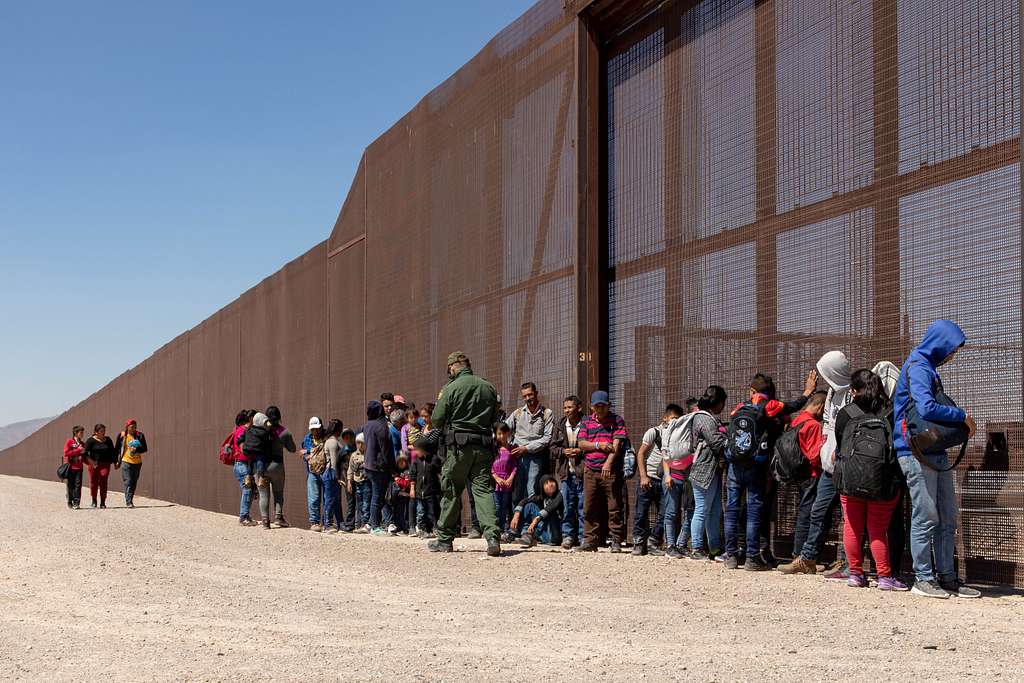
The embellished outrage surrounding transnational crime and organized gang activity grows quiet once it has served its purpose – to criminalize migrants fleeing violence or the grim landscapes in their home countries created and maintained by an oppressive, dominant economic system. 

The following interview is the first in a series that explores how individuals and organizations have been adversely impacted by the Trump presidency—and how they are organizing and resisting.


Mariana Gama is a humanitarian storyteller who engages closely with children, refugees, and marginalized communities using a trauma-informed approach to ensure ethical interviewing and dignified storytelling. In this interview, Mariana discusses her career path, her approach to ethical storytelling, how recent funding cuts are harming immigrants and refugees, and how you can get take action.


Image: picryl

By Sarah Pachal

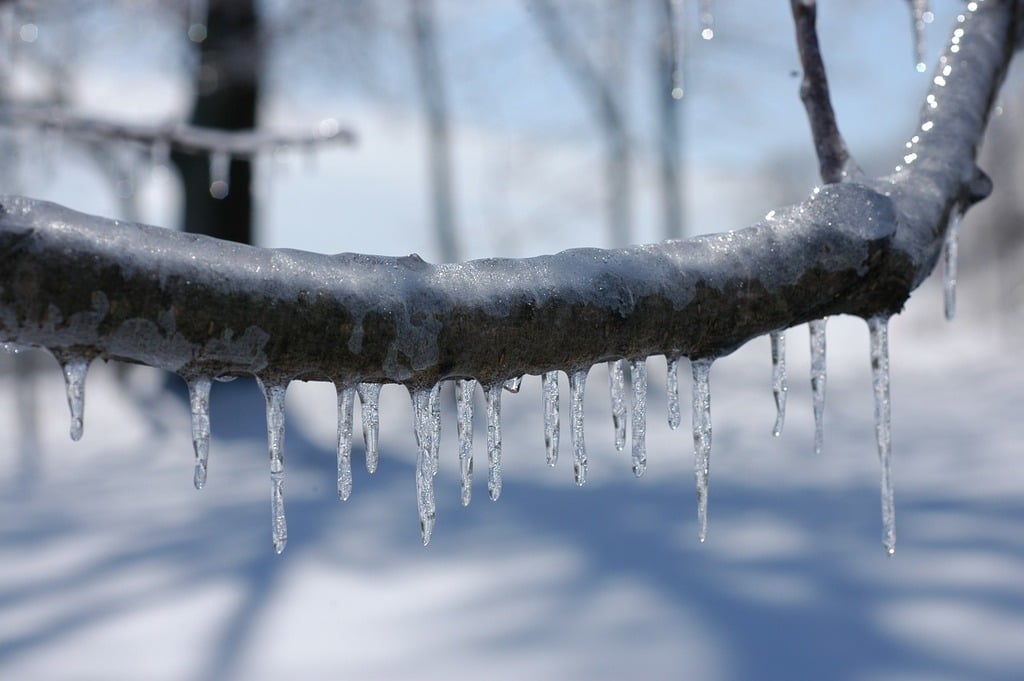
People in the Northern Hemisphere may associate April with spring-like weather, but in Southern Quebec and Ontario, April brought an ice storm that shut cities down for days and resulted in one man dead. As we experience record-breaking heatwaves, terrible wildfires, and catastrophic storms like this, it is obvious that climate change is a contemporary reality rather than a distant threat. The evidence is clear: human activity is causing our planet to warm at an alarming rate, with disastrous consequences.

During the rainstorm that began on April 5, between 20 mm and 25 mm of ice collected on trees and buildings and 1.1 million Quebec residents were without electricity, some for days. 

By Saul R. Revatta

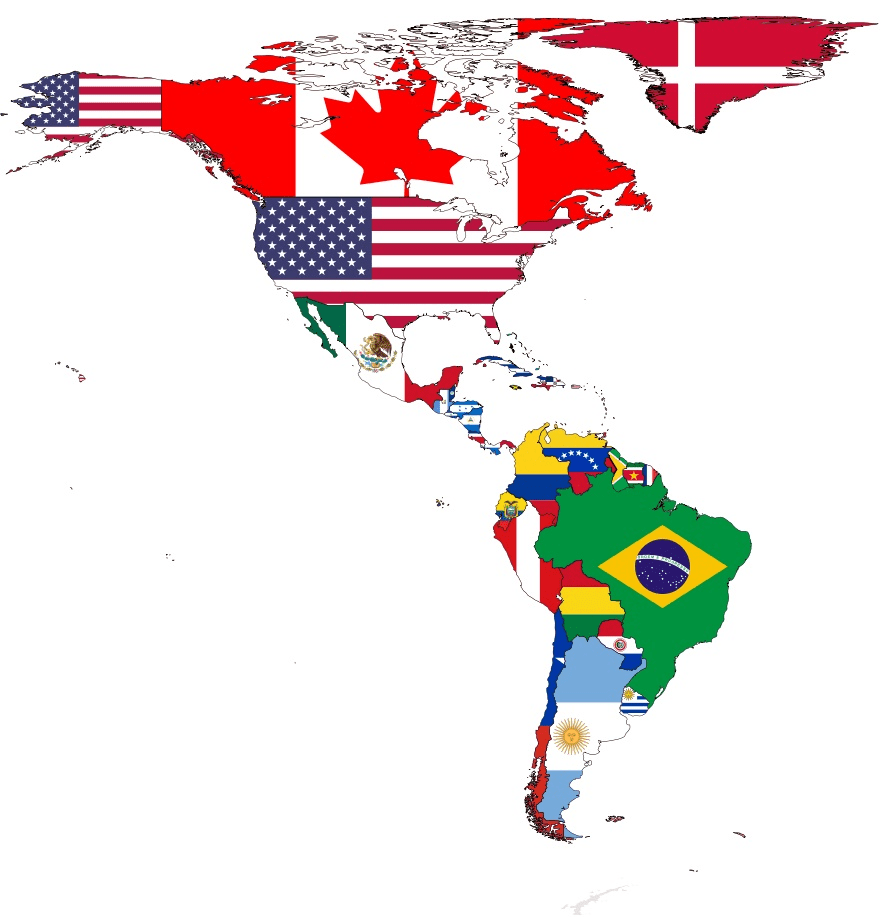
There is no doubt that since the end of World War II, the United States has been the dominant force shaping and leading the global economic order. The U.S. has spearheaded a Western-led rules-based capitalistic system that has fueled global economic growth but has also  disproportionately benefited the U.S. and its western European allies. However, as of late, the U.S. has forgotten the tremendous economic gains it has reaped as the primary architect and enforcer of this system. Nowhere is this abdication of leadership more evident than in Latin America (LatAm), where the U.S. is ceding influence to China, which has been funding major infrastructure projects across the region. The incoming Trump administration must know that it is in the U.S.’s best interest to re-engage with LatAm and regain influence. 

Image: Project Syndicate

By Jorge Heine

Already struggling to get out of its deepest economic downturn in 120 years, Latin America now must brace for the possibility of another Donald Trump presidency. Judging by the Republican candidate’s campaign promises and longstanding positions on trade and immigration policy, the implications would be dire.

After the euphoric Democratic National Convention in Chicago, there is little doubt that Kamala Harris’s candidacy has changed the dynamics of the 2024 US presidential race. Democrats now have a fighting chance, which is more than they could have said a few months ago. However, with polls still showing an extremely close contest in the seven swing states that ultimately matter, the rest of the world must brace for what Donald Trump’s return to the White House would entail.

Image: Project Syndicate

By Jorge G. Castañeda

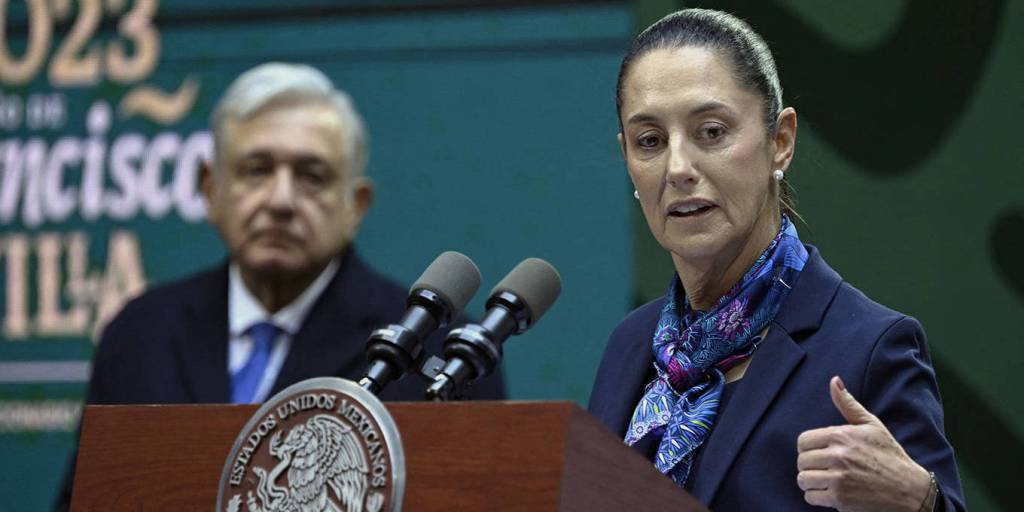
Over the course of two centuries of independence, Mexico has elected its leaders democratically on only four occasions. Whether the presidential election in June will be fair and free is questionable, given that the playing field is heavily tilted in favor of the ruling party’s candidate.

Many countries, from the United States and Uruguay to India and Indonesia, will hold elections in 2024. Although pundits, politicians, and political scientists tend to portray each one as “historic” and “momentous,” Mexico’s June 2 presidential election may be one of the few to warrant such superlatives, if only because the country has limited experience with truly democratic votes.

Image: Project Syndicate

By José Antonio Ocampo

Latin America’s economies continued to be the worst-performing in the developing world in 2023. To boost economic growth, the region’s political leaders must increase their investments in science and technology, foster regional integration, and reaffirm their commitment to democratic governance.

Latin America has come to the end of its second lost decade of development. Average annual growth hovered just below 0.9% for the 2014-23 period – worse than the 1.3% rate in the 1980s. GDP per capita, however, is projected to be slightly higher in 2023 than in 2013, owing to slower population growth. By contrast, it was not until 1994 that the region’s GDP per capita returned to its 1980 level. Still, Latin America has a severe growth problem.