Image: Project Syndicate

By José Antonio Ocampo

Latin America’s economies continued to be the worst-performing in the developing world in 2023. To boost economic growth, the region’s political leaders must increase their investments in science and technology, foster regional integration, and reaffirm their commitment to democratic governance.

Latin America has come to the end of its second lost decade of development. Average annual growth hovered just below 0.9% for the 2014-23 period – worse than the 1.3% rate in the 1980s. GDP per capita, however, is projected to be slightly higher in 2023 than in 2013, owing to slower population growth. By contrast, it was not until 1994 that the region’s GDP per capita returned to its 1980 level. Still, Latin America has a severe growth problem.

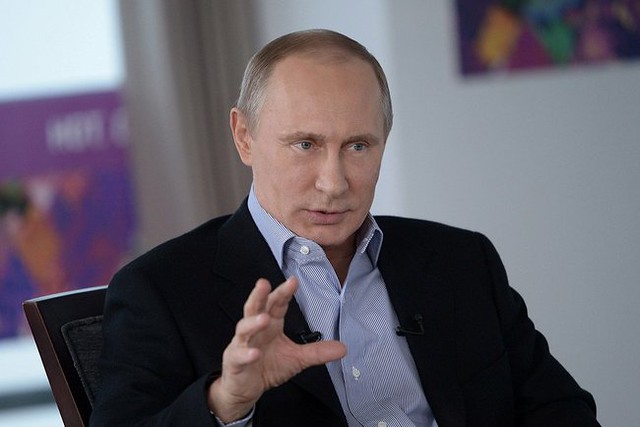
Image: The Conversationalist

By Linda E. Moran, Ph.D.

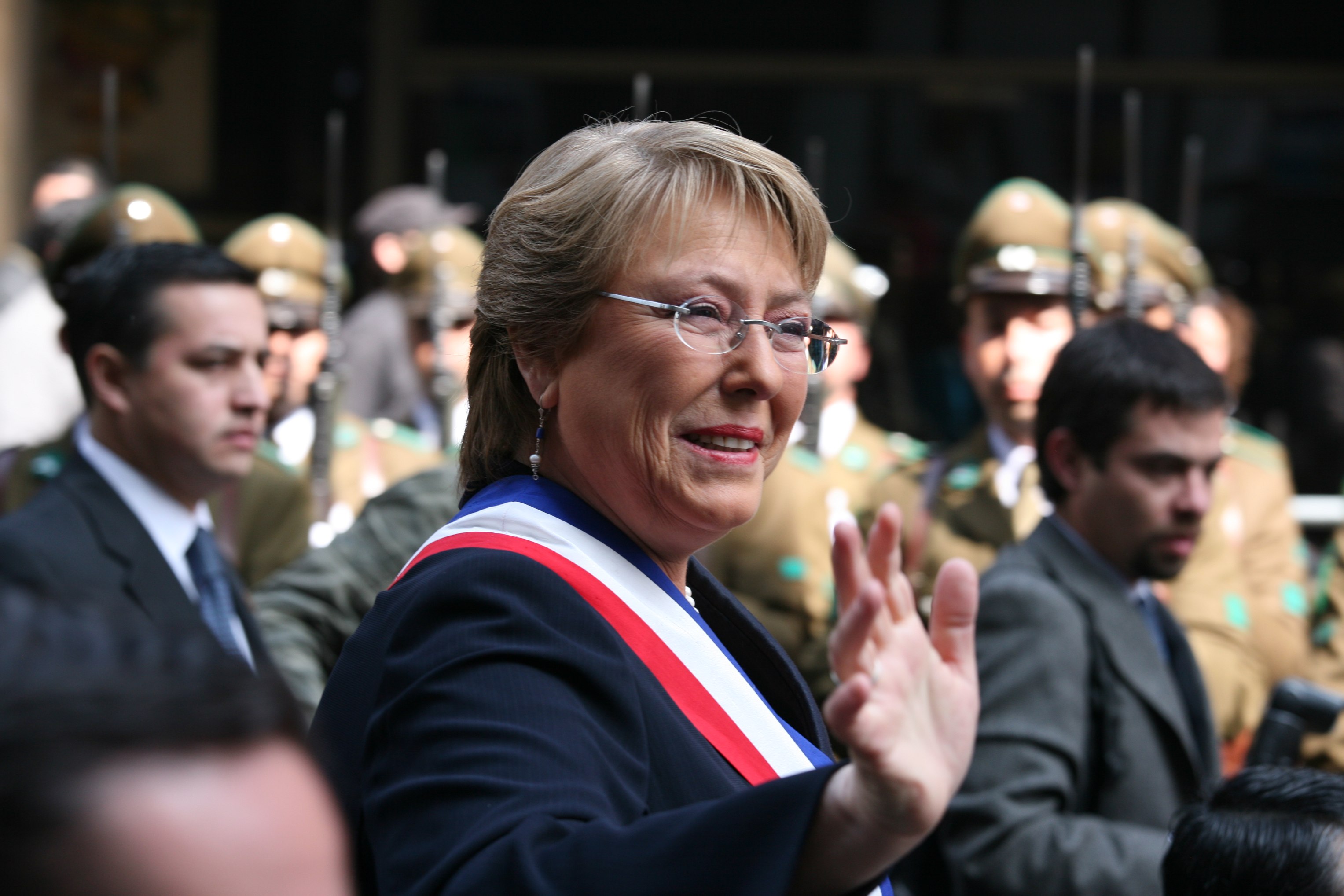
Alex Seitz-Wald (2019) maintains that the most unknowable factor of presidential elections is electability and, more specifically, perceptions of electability. Their role in the surprising outcomes of two Chilean elections — Michelle Bachelet’s in 2005 and Gabriel Boric’s in 2021 — provides the scaffolding for analysis. The combination of failed strategies on the part of the predicted winners and unprecedented breakthroughs on the part of the actual winners created a conundrum for those with expertise on the topic of Chilean sociopolitical behavior. Why were predictions so wide of the mark? In search of an explanation, this essay shifts the focus from standard conversations about anomalies and contradictions to premises at the core of notions of electability. It suggests that the unexpected outcomes of the two elections under scrutiny can be attributed to flaws in five of the premises commonly used to assess electability.

Image: Flickr

By Laura Schroeder

As violence continues in Ukraine following Russia’s invasion, more light has been shed on Russia’s presence across the globe over the past decade. In Latin America, Russian efforts to expand its influence to challenge the hegemonic power of the United States have revealed a decades-long reassessment of its strategic interactions in the region. After the Soviet Union’s withdrawal from Latin America in the 1990s, Russia has gradually been reengaging with the region, from rekindling former political ties to investing in new partnerships to deftly employing soft power. 

IMG_4843

Por Linda E. Moran, Ph.D. 

Traducción por Pilar Espitia, Ph.D. 

Resumen: La investigación de Elsa Chaney publicada en 1971 sobre el compromiso político femenino en Latinoamérica le aseguró su legado como pionera del campo. Por décadas, también proporcionó un punto de partida a investigadores cuyas teorías evolucionaron con el modelo de la supermadre. Los desarrollos sociopolíticos del siglo veintiuno, de ahora en adelante, cuestionan la viabilidad de este modelo. Esta discusión sugiere una reestructuración del modelo: una “adaptación de las especies” con capacidades mejoradas: La supra-madre. 

Graffiti_Berta_Tegucigalpa

By Lewis Harrison

This piece was originally published on Lewis on Latin America.

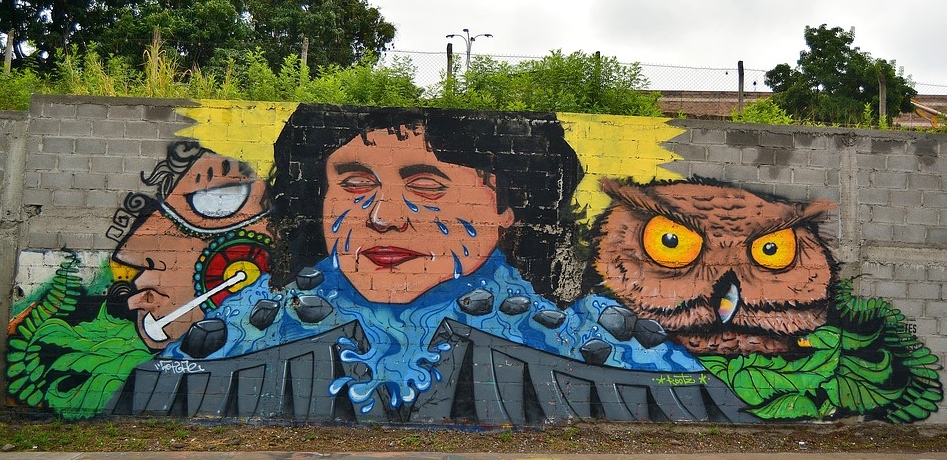
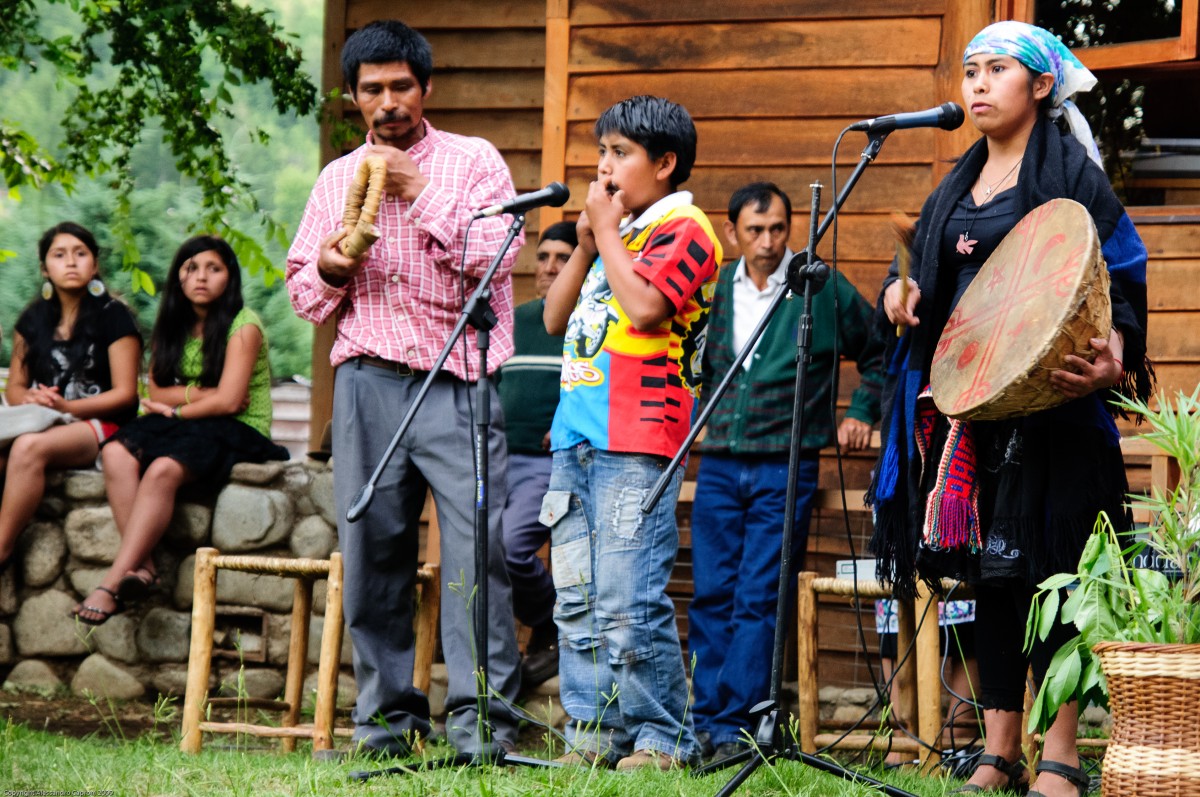
Across Latin America, the centuries-old issue of land conflict is gaining new dimensions as nations are increasingly bound into globalised supply chains of resources, food and energy (Peluso & Lund, 2011). The growing influence of corporate actors has transformed struggles over who has the right to inhabit and work the land, as states respond to competing claims from powerful enterprises and rural residents, who are often poor and indigenous. This essay will examine how the authorities in Chile and Honduras have repressed the protests of communities against the appropriation or contamination of their lands by these commercial interests. Despite the many differences between these countries – Chile being one of the most peaceful and prosperous nations in the Americas, Honduras one of the poorest and most violent – they share many similarities in this respect. Via a process that Bessant (2016) calls the ‘criminalisation of dissent’, their governments have prohibited rural activism through authoritarian legislation and violence in order to serve the interests of powerful national and multinational corporations.

chile_nikon_mapuche_d300_curarrehue-312078

By Rosalie Mattiola

The following text is an excerpt from a research paper written in spring 2017. To read the full text and to see the sources used, click here

Introduction

Mortality

Between 1997 and 2013, Chile experienced a shift in mortality rates of diseases considered “modern” or “western” like cancer, diabetes and cardiovascular disease. The number of deaths caused by malignant tumors of the colon, sigmoid, rectum, anus, liver, pancreas, trachea, bronchus, lung, head, lymphatic tissues, hypertensive disease, cardiac arrhythmias, arteriosclerosis, aneurisms, and aortic dissections have dramatically increased in the last two decades. Within 16 years, the number of deaths from cancer of the colon, sigmoid, rectum, anus, pancreas, trachea, bronchus, lung, and head have more than doubled. Those caused by hypertension jumped from 1,700 in 1997 to 4,574 in 2013. Moreover, the number of deaths from cardiac arrhythmia more than tripled in this time (DIES-MINSAL Series Principales causas de muerte tasas según sexo Chile).