march-2855930_1280

By Alexia Rauen

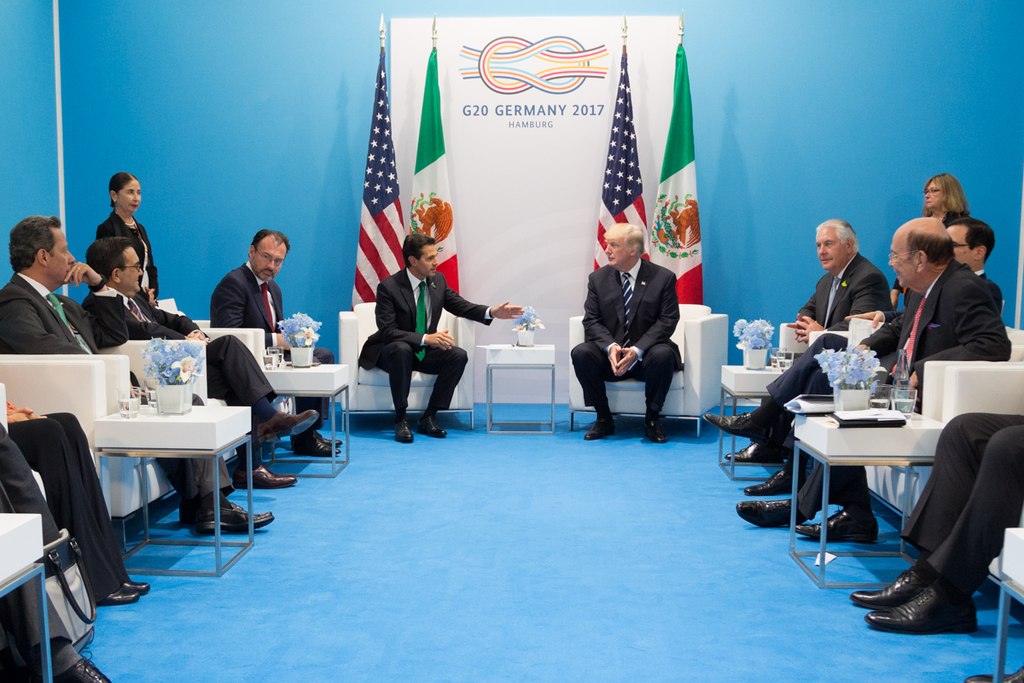
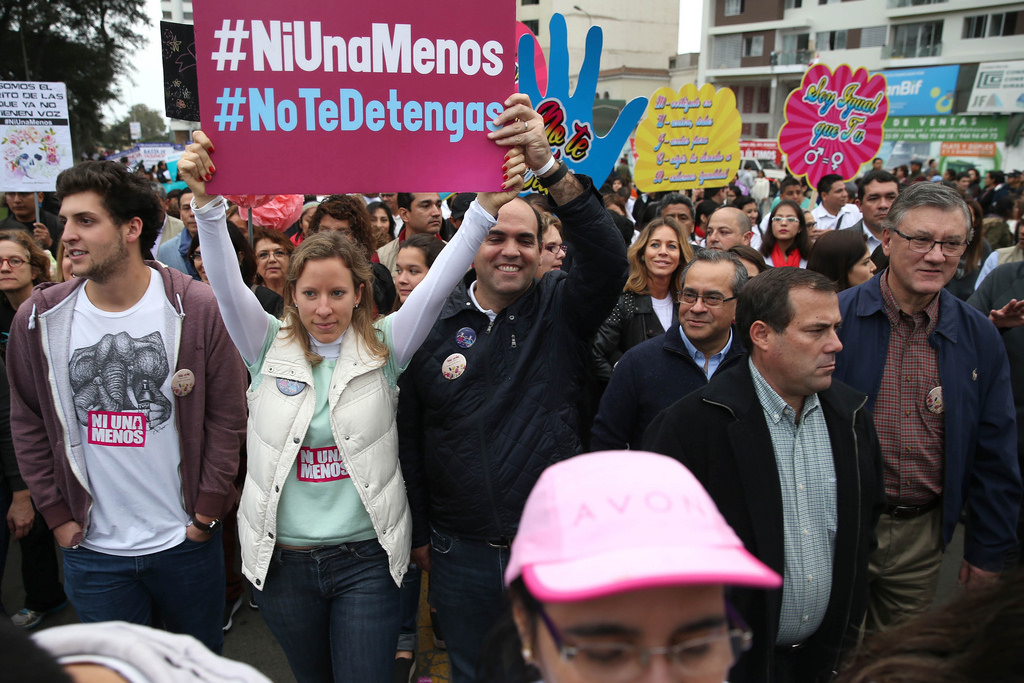
The New York Times headline on October 19 read: “Body Found in Argentine River Shakes Up Election.” Al Jazeera stated on October 22: “Santiago Maldonado’s death overshadows elections.” “A missing-person case looms over Argentina’s midterm elections,” was The Economist headline on September 7. These headlines contextualize the discovery of Santiago Maldonado’s body in terms of national politics and fail to capture the indigenous struggle at the root of his disappearance. Maldonado was present at a mapuche indigenous protest on August 1 in the Patagonian region of Argentina when he disappeared. Cristina Kirchner, the former president of Argentina who has not been shy about her discontent with Mauricio Macri’s government, has used Maldonado’s disappearance as further criticism. Ultimately, the coalition of parties of incumbent Macri proved successful in the elections despite the discovery of Maldonado’s body, securing a significant political victory by dominating “the top five population centers of Buenos Aires City, and Buenos Aires, Córdoba, Santa Fe and Mendoza provinces.” While the international community and Argentine politicians have gravitated to Maldonado’s death as a political instrument in these elections, the death has struck a different chord among the Argentine population. Widespread protests demanding his reappearance in Argentine cities occurred, and with his death an investigation must now be held to determine the cause of death and possible involvement of law enforcement.
Panama_Canal_Zone_Air_Mail_Stamp

By Alexia Rauen

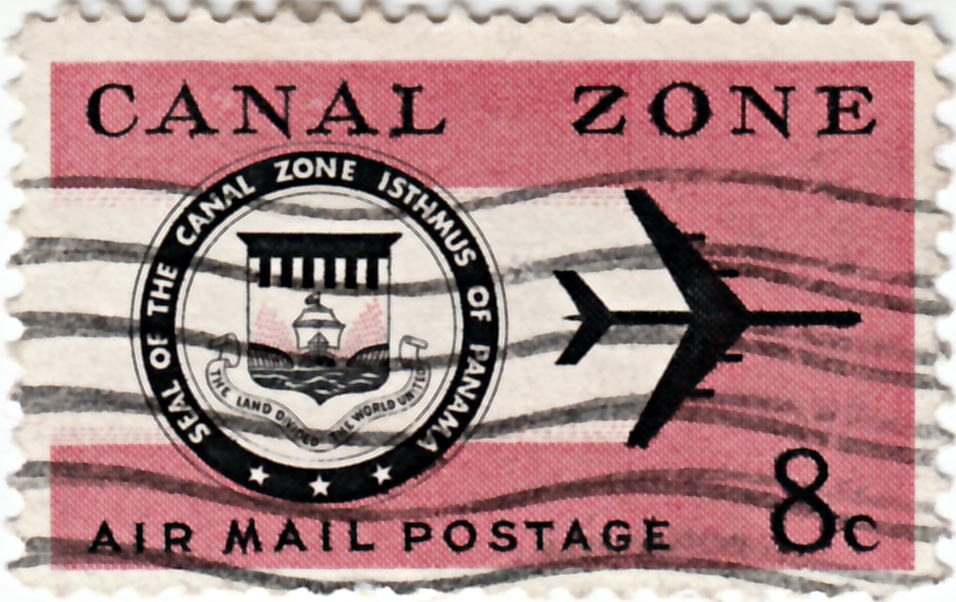
Michael E. Donoghue’s historical study Borderland on the Isthmus: Race, Culture, and the Struggle for the Canal Zone exposes traditionally underrepresented issues in the Panama Canal Zone. The Panama Canal Zone, which encompasses the canal itself, a well-known trade route that splits Panama, also encompasses the surrounding area. This zone was under U.S. control from 1903 to 1979; the canal was returned to Panama in 1999. Donoghue’s book is impressive and particularly strong in its detail concerning themes of race and gender in the Panama Canal Zone.  

28724572460_626cc6ba75_b.jpg

By Laura Schroeder

From the Zapatista movement in Mexico to the Shining Path’s activities in Peru, the Americas have experienced a great deal of political violence. Government structures have constantly changed and dictatorships have been toppled through force and the taking up of arms across the hemisphere. However, one of the most pervasive and dangerous myths is that systemic change requires violence. Nonviolent struggles to address corruption, environmental degradation, economic and social injustice, and political oppression have been– and continue to be– successful across the Americas. Venezuela, Chile, Argentina, and Brazil have all ousted military regimes through the use of nonviolent resistance.

1024px-President_Trump's_Trip_to_Germany_and_the_G20_Summit_(35741358986)

Por Blake Burdge, Traducido por William Giller

Argentina

Las relaciones entre los Estados Unidos y Argentina se han mantenido estables bajo el mandato de Trump. Es probable que Trump favorezca al país debido a las estrechas relaciones que tenía con el presidente argentino Mauricio Macri cuando los dos eran empresarios. Trump y Macri se reunieron en la Casa Blanca a finales de abril para dialogar sobre la ciberseguridad bilateral y demostrar un apoyo unido para la restauración de democracia y respeto a derechos humanos en Venezuela.

Los Estados Unidos y Argentina han reforzado relaciones económicas desde la inauguración de Trump. Ambos países han levantado las restricciones sobre varios bienes provenientes del otro país. Los agricultores estadounidenses podrán exportar carne de cerdo a Argentina por primera vez desde 1992, con un mercado potencial de hasta 10 millones de dólares. Lo que es más, el presidente Trump acabó la propuesta que había empezado la administración de Obama para levantar las restricciones sobre limones de Argentina, el cuarto productor de limones más grande del mundo.

Flags_of_Puerto_Rico_and_USA

By Alexia Rauen

The widespread lack of electricity across Puerto Rico in the aftermath of Hurricane María has been widely publicized and carries with it deep concern for the lack of vital resources available to the island. As Puerto Rico is a United States territory, the federal government is responsible for ensuring the reconstruction of the island. But is it doing enough now, and will it be doing enough in the future, when the world has turned its attention to the next headline-worthy natural disaster?

614px-Enrique_Peña_Nieto_meets_with_Donald_Trump,_G-20_Hamburg_summit,_July_2017_(1)

By Blake Burdge

Argentina

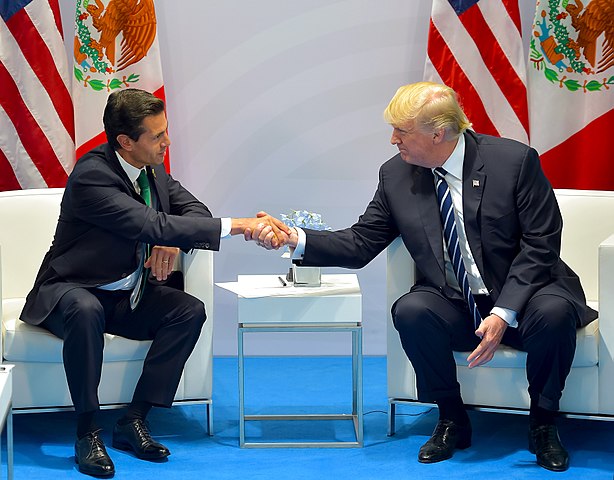
The relationship between the United States and Argentina has remained strong under President Trump. It is likely that Trump views the country favorably due to the close relationship that he shared with Argentine President Mauricio Macri when the two were businessmen. Trump and Macri met at the White House in late April to discuss bilateral cybersecurity and to show joint support for the restoration of democracy and respect for human rights in Venezuela.

The United States and Argentina have strengthened economic ties since Trump entered office, as both countries have lifted bans on the other for certain goods. For the first time since 1992, U.S. farmers will be able to export pork to Argentina, with a potential market of up to USD $10 million. Additionally, President Trump followed through on the Obama administration’s proposal to relinquish a ban on lemons from Argentina, which is the fourth-largest producer of the fruit in the world.

8586398511_5494741f78_b

On the morning of Tuesday, September 5, US Attorney General Jeff Sessions announced that the Deferred Action for Childhood Arrivals (DACA) program will be rescinded. An Obama administration 2012 executive action, DACA grants temporary legal status and provides 2-year work permits to individuals who were brought to the country as children without immigration documents. According to the Washington Post, an estimated 800,000  immigrants benefit from the program.

Sessions maintained that to best serve the national interest, Congress must determine and enforce a legislative limit on immigration. Claiming that DACA violates the Constitution, he stated, “…it is my duty to ensure that the laws of the United States are enforced and that the Constitutional order is upheld. No greater good can be done for the overall health and well-being of our Republic, than preserving and strengthening the impartial rule of law. Societies where the rule of law is treasured are societies that tend to flourish and succeed.”